
The Shadow Super-Economy of Counterfeit Luxury Goods
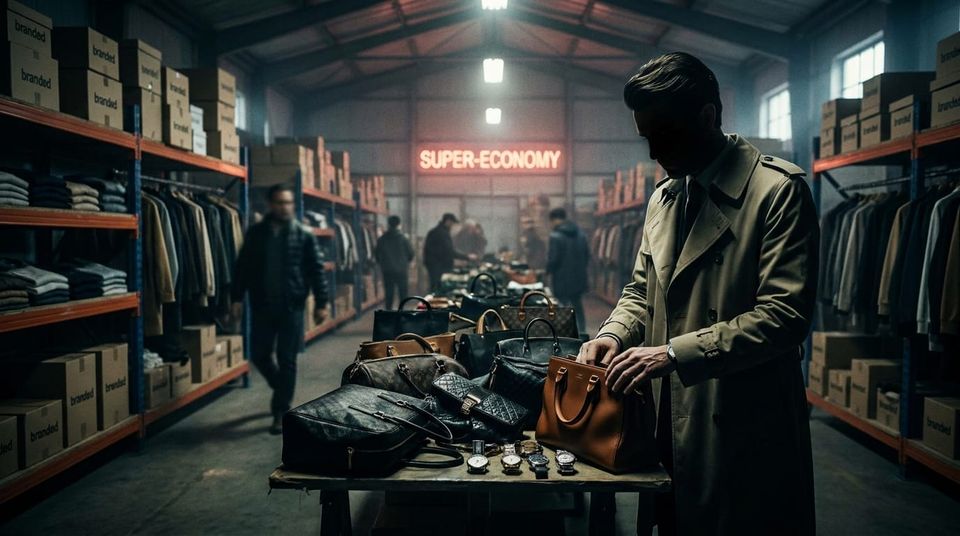
Let's just chat for a minute. You've seen it, I've seen it, we all have. You're walking through a city, maybe grabbing a coffee, and you spot it-that iconic handbag, the watch with the unmistakable face, the sneakers everyone's talking about. For a split second, you admire it. Then, a little voice in the back of your head pipes up: 'Is it real?' It's a simple question, but it's the entry point to one of the biggest, most complex, and most hidden economic stories in the world. It’s a story about more than just fashion; it’s about desire, economics, and a global super-economy that operates completely in the shadows.
We tend to think of counterfeit goods as a small-time hustle, something you'd find on a blanket in a tourist-heavy square. But the reality is staggering. This isn't a cottage industry; it's a global powerhouse. We're talking about a trade estimated to be worth hundreds of billions of dollars a year. That's larger than the GDP of many countries. It's an intricate network of manufacturing, shipping, and digital marketing that mirrors legitimate businesses with frightening accuracy. They have supply chains, online storefronts, and influencers, all dedicated to selling a dream at a discount.
The Allure of the 'Superfake'
What's really changed the game is the rise of the 'superfake'. Gone are the days of flimsy knock-offs with misspelled logos. Today's top-tier replicas are so convincing that even trained experts can have a hard time telling them apart from the real thing without a deep inspection. They're often made with high-quality materials, sometimes even in the same regions as the authentic products. This incredible level of craftsmanship is what pulls so many people in. It's the promise of attaining a symbol of success and status without the astronomical price tag. And honestly, who can't understand that temptation?
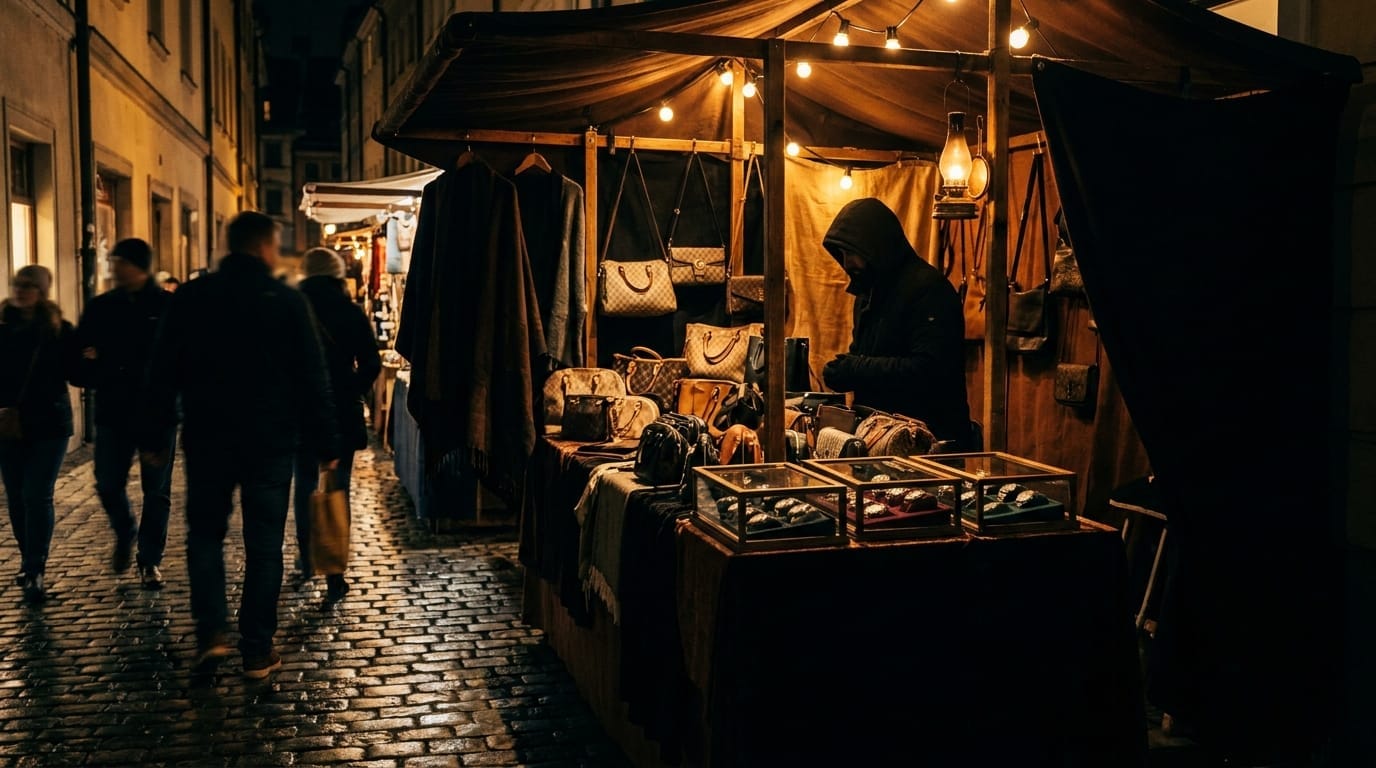
The demand is fueled by a very human desire to belong, to project a certain image. Luxury brands spend billions building an aura of exclusivity and perfection, and the counterfeit market simply rides on their coattails. It offers a shortcut. For many, it feels like a victimless crime-a way to stick it to a huge corporation that charges thousands for a product that costs a fraction of that to make. It's easy to rationalize it as a harmless indulgence, a little secret that lets you participate in a world you might otherwise feel priced out of.
The Real Price of a Fake
Here's where the conversation gets a little heavier, though. When we start to trace where the money goes, the picture isn't so pretty. This isn't about judging anyone's choices, but just about understanding the full story. A significant portion of the counterfeit trade is directly linked to organized crime syndicates. The profits from these sales can be used to fund much darker activities, from drug trafficking to human trafficking. It's a sobering thought that a seemingly innocent purchase could be a drop in a very dark bucket.
Beyond that, there's the human element of production. The workshops that produce these goods are almost entirely unregulated. They often rely on exploited labor, including child labor, with workers facing terrible conditions and unfair wages. While you're getting a deal, someone down the line is paying a steep price. It also hurts the genuine economy by siphoning sales from legitimate businesses, discouraging innovation, and causing job losses. When a designer or artist spends years honing their craft, intellectual property theft feels less like a corporate problem and more like a personal one.
So, where does that leave us? This isn't a lecture. It’s just a peek behind a curtain we rarely think to pull back. The world of counterfeit luxury is a fascinating and deeply complex part of our global economy, driven by some of the most basic human emotions. Understanding its scale, its methods, and its consequences doesn't mean you have to stop admiring beautiful things. It just gives you a fuller picture, allowing you to think a little more about what 'value' truly means to you and the hidden stories behind the things we buy.