
How Financial Markets Secretly Price Your Next Meal
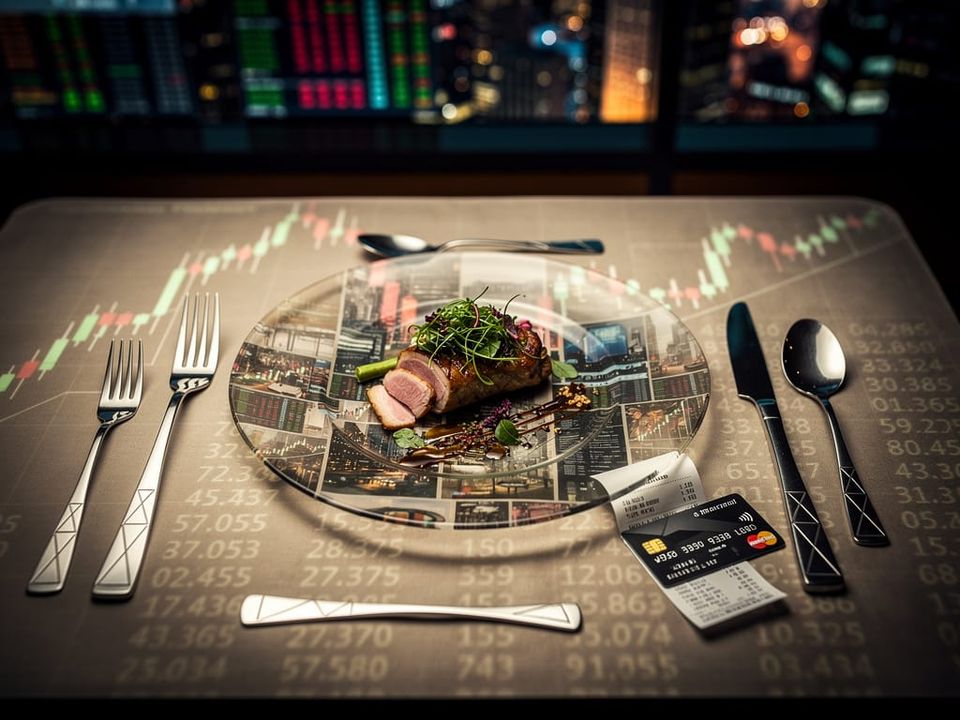
The Unseen Journey from Field to Ticker
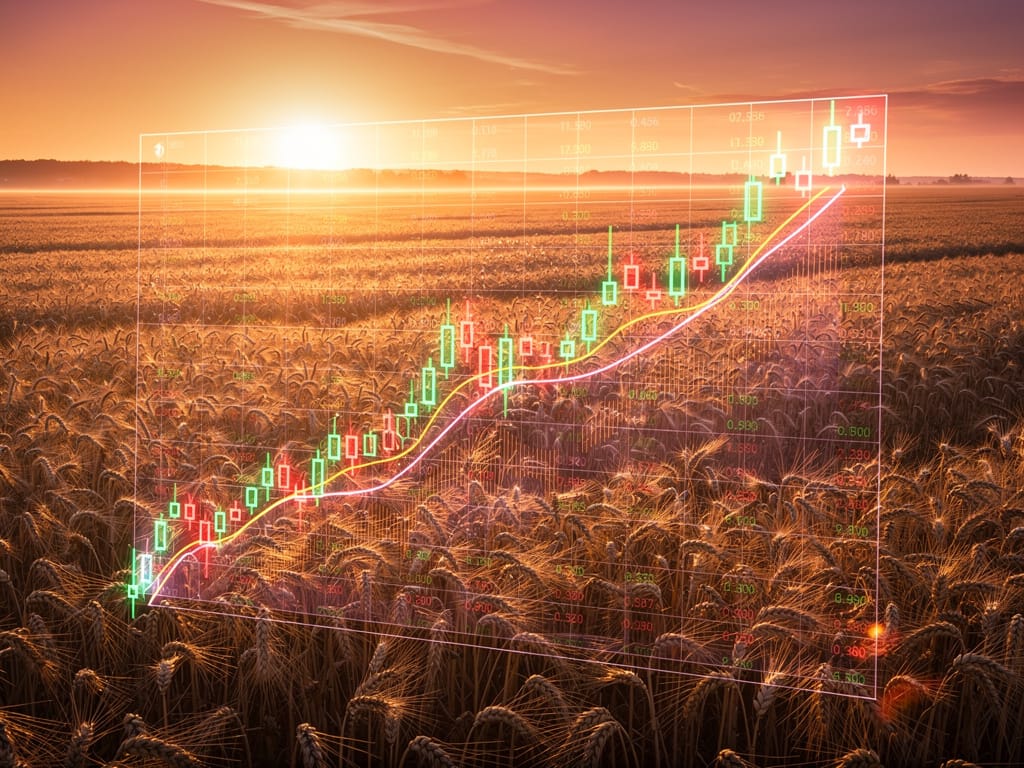
That loaf of bread began its life as wheat in a field. But long before it was harvested, its value was already being debated, bought, and sold on the commodities market. Farmers, seeking to protect themselves from price drops, often sell 'futures contracts'-agreements to sell their crop at a predetermined price on a future date. On the other side of that trade are speculators, investors, and massive food corporations, all betting on which way the price will go. These are not just numbers on a screen; they are powerful signals that dictate the base cost of raw ingredients for everything from your morning cereal to your evening pasta.
Weather, Warfare, and Your Wallet
This market doesn't exist in a vacuum. A sudden drought in South America can send coffee futures soaring, because traders anticipate a smaller supply. A geopolitical conflict halfway around the world can disrupt the flow of grain and cooking oil, causing immediate price shocks that ripple outward. Every major news headline has the potential to move these markets, and that movement is what financial players thrive on. They analyze data, predict outcomes, and place their bets. The collective result of their actions creates a new baseline price, a cost that gets passed down the supply chain until it lands squarely on the sticker you see at the store.
The Hidden Costs of Movement and Money
But the story doesn't end with the raw commodity. Think about the journey that wheat takes. The tractor that harvests it, the truck that transports it to the mill, the factory that bakes the bread, and the delivery van that brings it to your local market-every single one of these runs on fuel. The price of that fuel is determined by the global oil market, another massive financial arena where futures contracts and speculation reign supreme. When oil prices climb, the cost of transportation and production rises in lockstep, adding another layer to the final price of your food. It’s an invisible tax charged by the energy sector.
The Currency Game We All Play
Then there's the currency market. If the U.S. dollar strengthens against other world currencies, the imported French cheese or Chilean wine on the shelf might get a little cheaper. But at the same time, it becomes more expensive for other countries to buy American-grown corn, which can affect the income of American farmers. These exchange rates are in constant flux, influenced by interest rate decisions, economic reports, and investor sentiment. This global financial dance directly impacts the affordability and availability of goods on your shelves, whether they're from down the street or across an ocean.
This intricate web of finance-from commodities and energy to global logistics-is what truly sets the price of your next meal. It’s a system of immense power, connecting a farmer's field to your dinner plate through a thousand invisible financial transactions.
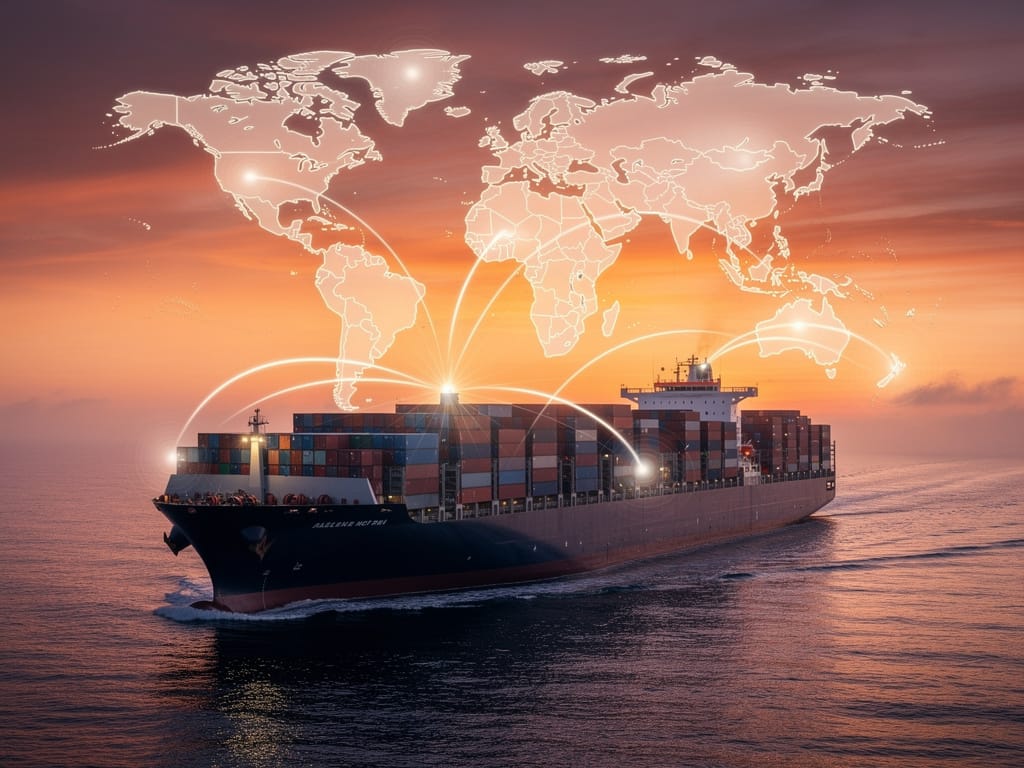
So, what does this mean for you? This knowledge is not meant to overwhelm you; it's meant to empower you. You are living inside this global economic machine whether you realize it or not. The same forces that price your groceries are the ones that create opportunities for wealth. By understanding how money and markets truly work, you shift from being a passive consumer to an informed participant. You begin to see the world not as a series of random prices, but as a system you can learn and use to your advantage. This is the foundation of financial independence. Your journey starts not with a grand investment, but with the decision to understand the story behind that simple price tag.