
The Scheduled Obsolescence of Financial Memory: How Markets Are Designed to Make Us Forget
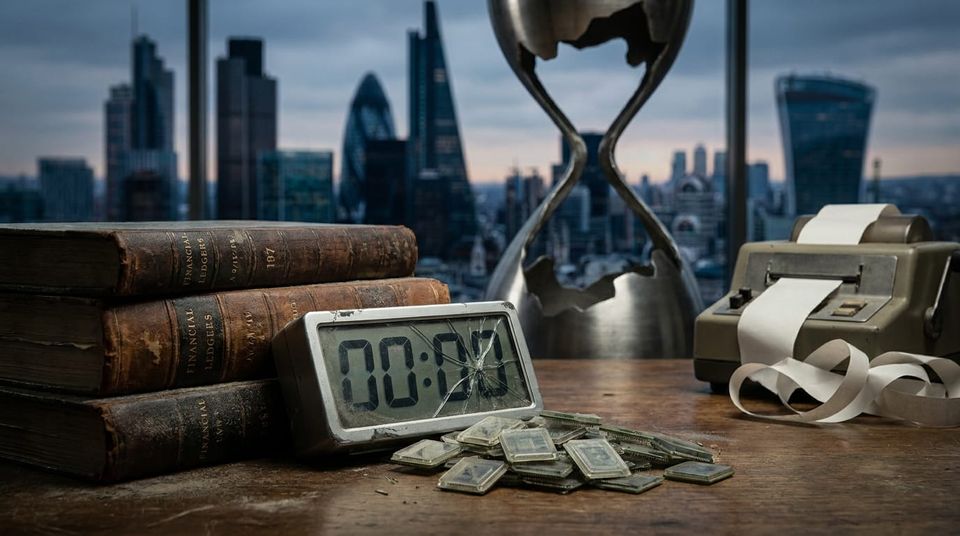
Five years. That’s the average half-life of financial trauma. It’s the length of time it takes for the market’s collective memory of a crisis to decay, for caution to curdle into FOMO, and for the cycle to begin again. This isn’t an accident of human psychology; it’s the scheduled obsolescence of financial memory, and it’s one of the most powerful, and profitable, forces on Wall Street.
This five-year window is the invisible rhythm behind the market’s madness. It’s long enough for the searing pain of a portfolio collapse to become a dull, distant ache. It’s just short enough that the lessons learned are forgotten right before they’re needed most. Think about the gut-wrenching panic of March 2020. Now think about the AI-fueled market highs of today. They feel like two different worlds, inhabited by two different investors. But for many, it's the same person, operating on a predictable memory wipe.
This isn't just a feeling... it's backed by data on investor sentiment and risk tolerance, which reliably return to pre-crash levels in about three to five years. The system isn't broken. It's working exactly as it's designed to, flushing out the old fears to make room for new exuberance.
The Forgetting Curve, But for Your 401(k)
So how does this reset happen with such clockwork precision? It’s a combination of human nature and market mechanics. A significant driver is the constant churn of participants. Every year, a new class of investors enters the market with zero lived experience of the last meltdown. For them, the 2008 Global Financial Crisis isn't a scar... it's a chapter in a history book. They see only the line going up.
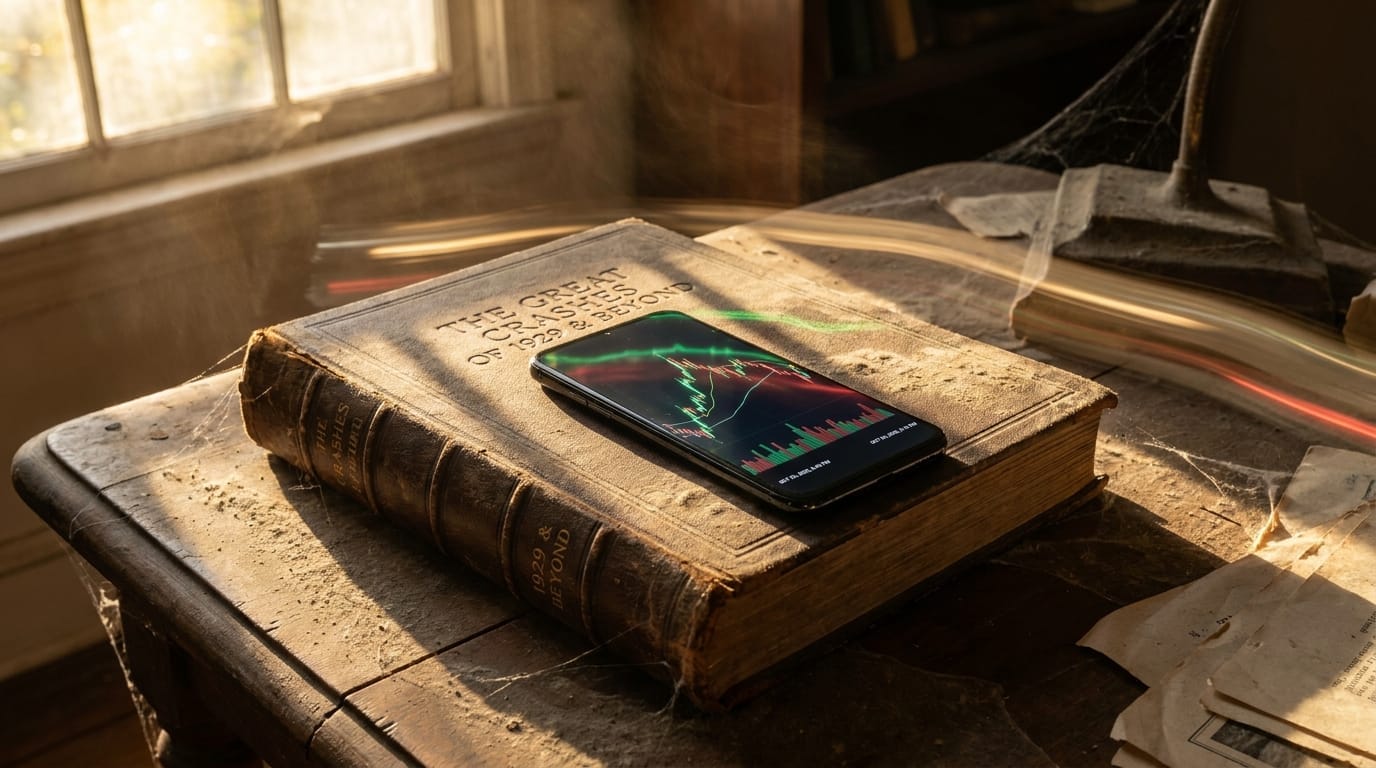
This influx of fresh optimism is amplified by a financial media machine that profits from novelty. The narrative constantly shifts to what's new, what's next, what's different this time. Yesterday it was subprime mortgages packaged as safe assets. Today it might be a new crypto protocol or an AI stock that can’t possibly fail. The relentless focus on the future actively erases the patterns of the past.
Why This Cycle is a Feature, Not a Bug
The financial industry itself has a powerful incentive to shorten your memory. A population of cautious, buy-and-hold investors is a nightmare for business. The system thrives on activity... on trades, on new products, on IPOs, on the churn of capital from one 'big thing' to the next. Each transaction generates a fee. Each wave of excitement generates a flood of new money for asset managers. Fear makes you hold cash. Forgetting fear makes you put that cash to work, often at the peak of the market.
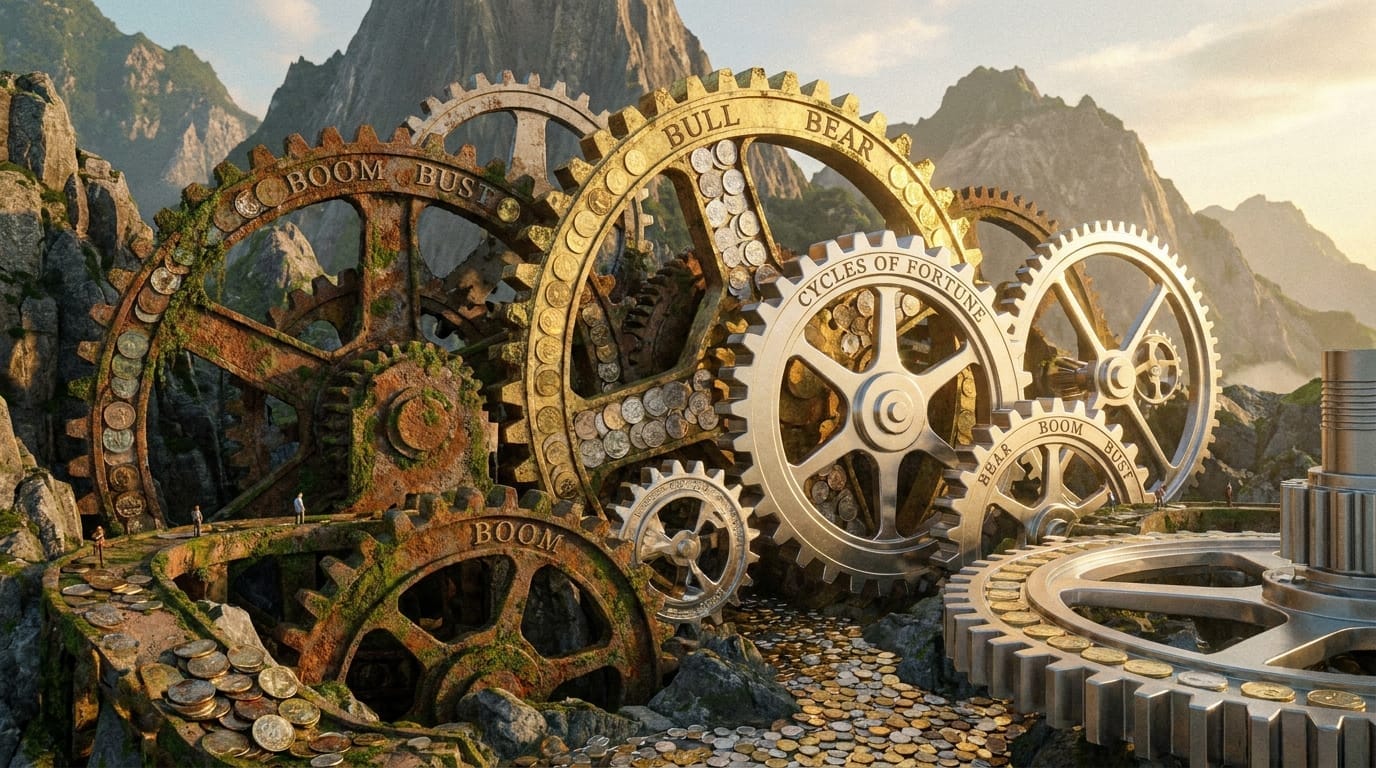
This is why the 'this time is different' argument is the most enduring and dangerous story on Wall Street. And in a small way, it's always true. The technology is different, the companies are different, the geopolitical landscape is different. But the underlying human behavior... the potent cocktail of greed, fear, and the desperate need to believe in a story... remains perfectly, predictably, and profitably unchanged.
Key Takeaways
- The market's memory of a major crisis tends to fade significantly within about five years, resetting collective investor risk tolerance.
- This cycle is fueled by a constant influx of new market participants who haven't experienced past downturns and a media focus on novelty.
- The financial industry has a built-in incentive to promote activity and short-term thinking, which accelerates this memory loss.
- Recognizing this predictable pattern of forgetting is a key defense against herd mentality and late-cycle speculative manias.
The market doesn’t have amnesia. It has a business model built on a five-year memory chip... and every five years, it reboots.