
The Celebrity Afterlife Economy
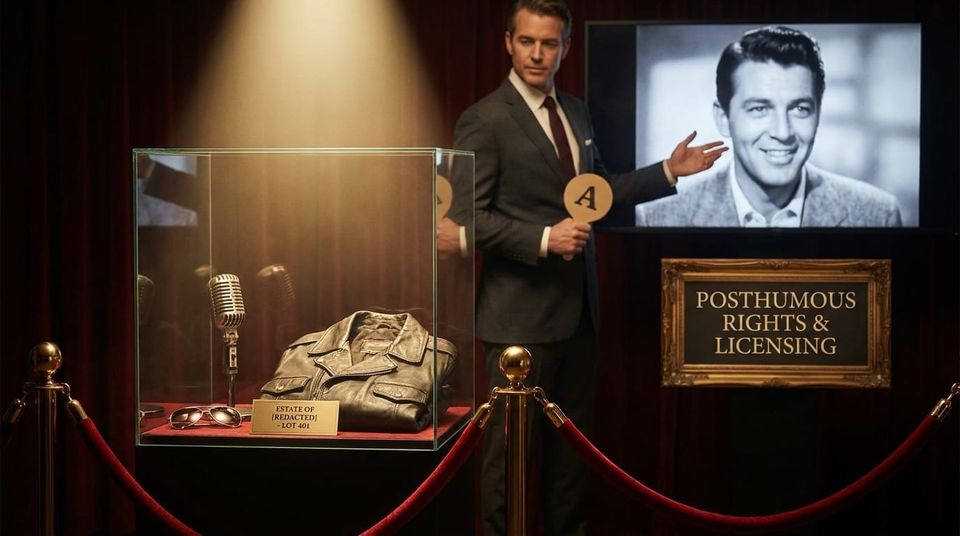
One hundred and fifteen million dollars. That’s not the GDP of a small island nation. It’s what Michael Jackson’s estate earned last year... more than a decade after his death. That number isn't just trivia; it’s a blueprint for an entire economy that most people never see, one that kicks into high gear only after the star has taken their final bow. It reveals a set of financial truths that turn everything you think you know about wealth and legacy completely upside down.
MYTH #1: A Star's Earning Power Ends at the Funeral.
REALITY:
You might think the revenue stream slows to a trickle. A few royalty checks here and there. The reality is a firehose. That $115 million didn't just appear; it was generated by a sprawling business enterprise that works 24/7. Think about the Broadway hit 'MJ: The Musical', which regularly grosses over a million dollars a week. Add in the long-running Cirque du Soleil show in Vegas, the endless stream of merchandise, and the continued monetization of his music catalog, a property so valuable that his estate's half-share was once sold to Sony for an astounding $750 million.
This isn’t a memory; it’s a corporation with global reach. While you’re paying for gas, Jackson's brand is licensing a new t-shirt in Tokyo. While you’re budgeting for groceries, a tourist in Nevada is buying a premium ticket to see his likeness on stage. His financial pulse is stronger now than it was for many living artists last year, a result of a brilliantly structured estate plan designed for perpetual growth.
MYTH #2: It's Just Passive Income from Old Royalties.
REALITY:
Calling this 'passive' is like calling a shark a goldfish. These estates are run by teams of sharp lawyers, brand managers, and investment advisors who are constantly on offense. They aren't just cashing checks; they are actively seeking new deals, fighting legal battles over intellectual property, and greenlighting new projects that re-introduce the brand to new generations. Elvis Presley’s estate pulled in $100 million last year, not just from Graceland tourism but from new partnerships and licensing deals, including a hit biopic that put him back in the center of pop culture.
This is the difference between a garage band and a global symphony. One waits for a listener to find them; the other builds the stadium, sells the tickets, and owns the broadcast rights in perpetuity. Dr. Seuss Enterprises, which earned $40 million, does this by carefully managing the beloved author's IP, expanding into new media while protecting the core brand. It’s a constant, calculated effort to keep the legacy not just alive, but growing on the balance sheet.
MYTH #3: Only a Handful of Megastars Qualify.
REALITY:
While the King of Pop and the King of Rock and Roll dominate the headlines, the afterlife economy is a surprisingly diverse club. It's less about fleeting fame and more about owning a universe of intellectual property. J.R.R. Tolkien’s estate earned a massive payday from Amazon's 'Rings of Power' series because they controlled the television rights to key source material. Charles Schulz, the creator of Peanuts, brought in $30 million from new animated shows on Apple TV+ and global merchandising that keeps Snoopy and Charlie Brown perpetually relevant.
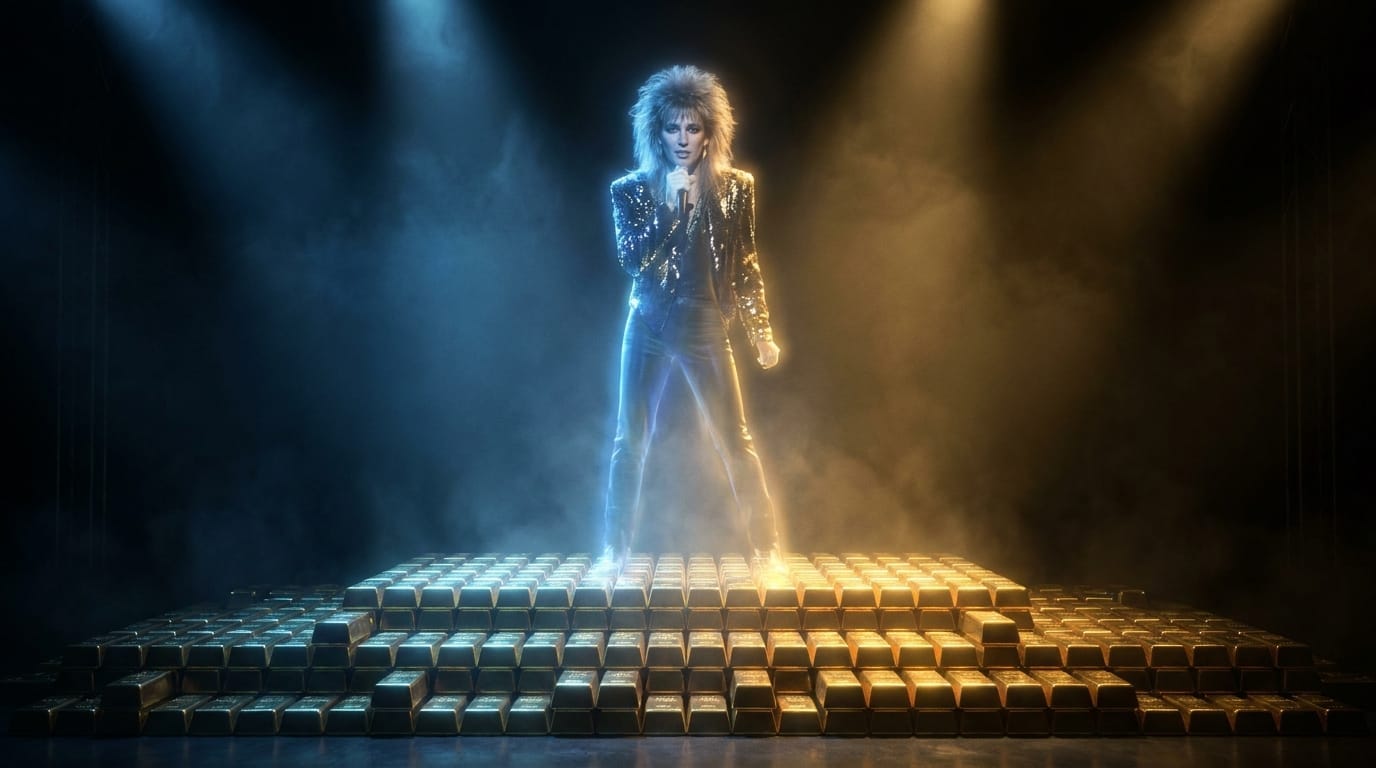
The lesson isn't just about being famous. It's about ownership. It’s about creating something so timeless that it can be licensed, remade, and resold for generations. Even Whitney Houston, whose estate earned a reported $15 million, is 'touring' again as a hologram, a perfect example of technology creating new revenue from a fixed legacy. You don't have to sell out stadiums in life; you just have to build a world that others will pay to visit long after you're gone.
So that $115 million isn't just a number. It's a signal. It shows that for a select few, death isn't an ending but a strategic business move. The most valuable asset they ever created wasn't a song or a character... it was their own financial ghost.