
Selling The Sky: The Invisible Real Estate Market
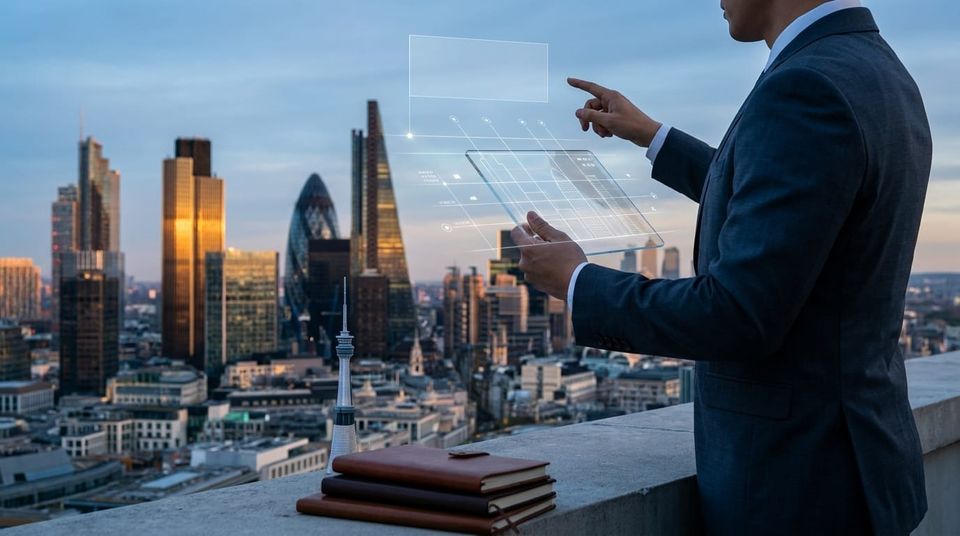
$4,000.
That's the number. Not for a square foot of a Park Avenue penthouse. Not for a corner office with a view of Central Park. That's the price someone paid for a square foot of... nothing. A square foot of empty air, high above the streets of Manhattan.
This isn't a fantasy. It's a very real, very lucrative market where developers buy and sell the sky. It's the invisible real estate that shapes the cities you live in, and it operates on a scale that is difficult to comprehend. And it all starts with that one number.
What exactly are you buying for $4,000 a square foot?
You're buying potential. Officially, they're called Transferable Development Rights, or more commonly, air rights. Think of it this way: city zoning laws dictate how tall any given building can be. If you own a small, three-story historic building in a zone that allows for 30-story towers, you have 27 stories of unused, legally permitted development potential just sitting there.
You can't use it without tearing down your own building. But you can sell it. A developer with a plot of land next door can buy your 27 stories of 'air' and add it on top of their own project, allowing them to build a skyscraper far taller than zoning would normally permit for their single plot. They are literally buying the legal right to occupy the space above your roof.
Why would anyone pay so much for nothing?
Because in a city packed as tightly as New York, land is the ultimate finite resource. When you can't build out, you have to build up. Buying air rights is the key that unlocks the vertical frontier. For a developer planning a billion-dollar luxury condominium, the ability to add ten, twenty, or thirty extra floors is the difference between a profitable project and a legendary one.
Those extra floors contain the most expensive real estate on the planet: the penthouses. The revenue generated from those top-floor units can dwarf the astronomical cost of the air rights needed to build them. Compared to the alternative - buying an adjacent lot, demolishing the existing structure, and combining the properties - paying a neighbor millions for their empty sky is a bargain. It's a calculated investment in vertical expansion.
So who is selling this invisible property?
The sellers are often the institutions and property owners you'd least expect. Think of historic landmarks, Broadway theaters, or old churches. These structures are often protected by preservation laws, meaning they can't be torn down and rebuilt to their full zoning potential. Their owners are sitting on a valuable, intangible asset they can't otherwise use.
By selling their air rights, the owners of a landmark like Grand Central Terminal or a small neighborhood church can generate millions of dollars in revenue without touching a single brick. This money is frequently used to fund restorations, support operations, and ensure the historic building's survival. It's a clever financial mechanism that allows a city to preserve its past while building its future... one stacked on top of the other.
Does this affect me if I don't live in a skyscraper?
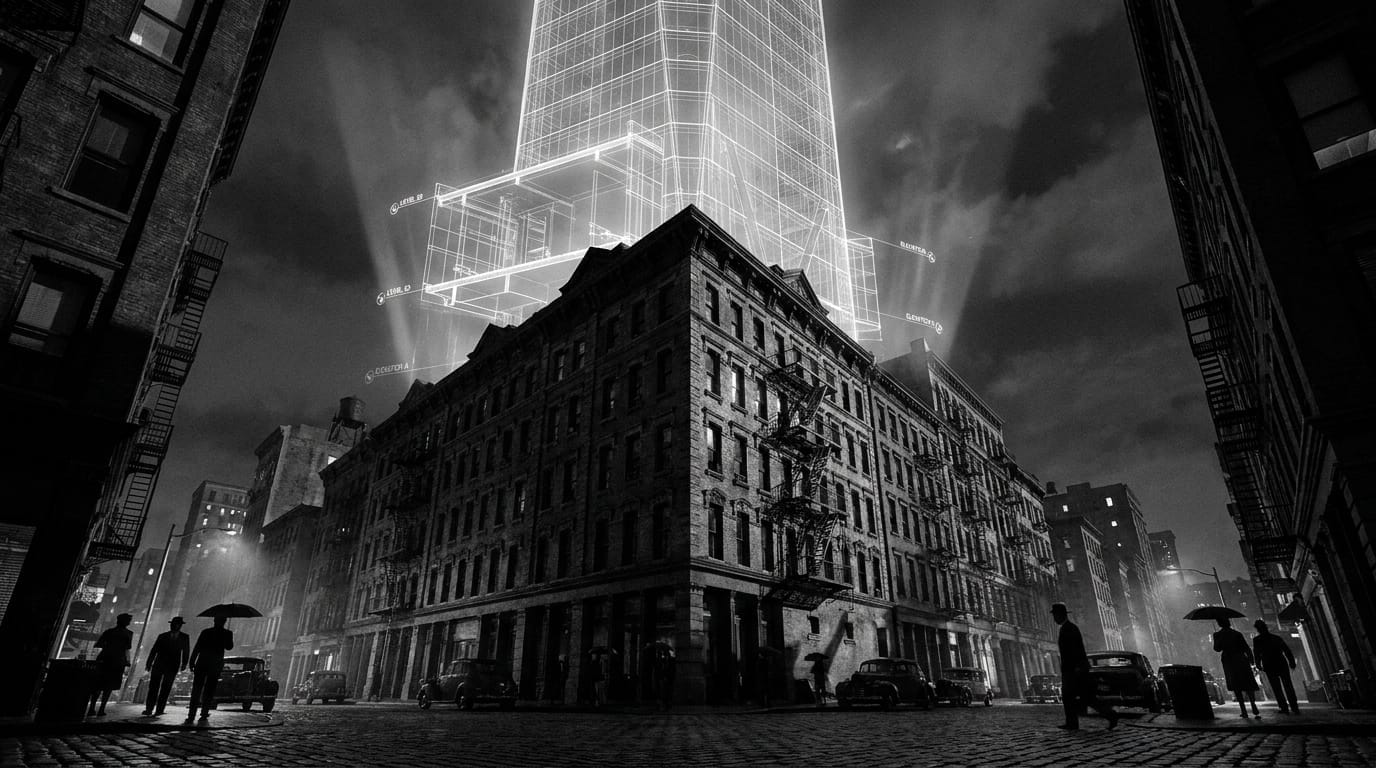
Absolutely. This invisible market directly engineers the skyline of your city. It determines where super-tall towers sprout up and which neighborhoods maintain their low-rise character. The sale of air rights from a church on one block could lead to a new skyscraper casting a permanent shadow over a park or schoolyard several blocks away.
This market influences property values, population density, and the very feel of a neighborhood. It's a constant, high-stakes negotiation happening above our heads, shaping the physical world from an intangible ledger. The next time you look up at a new tower, remember that it might only be there because it's standing on the 'shoulders' of a smaller building blocks away. The sky above your own home might be the most valuable part of the property... and you might not even own it.