
The Multi-Million Dollar Calculus That Determines the Price of a Stadium's Name
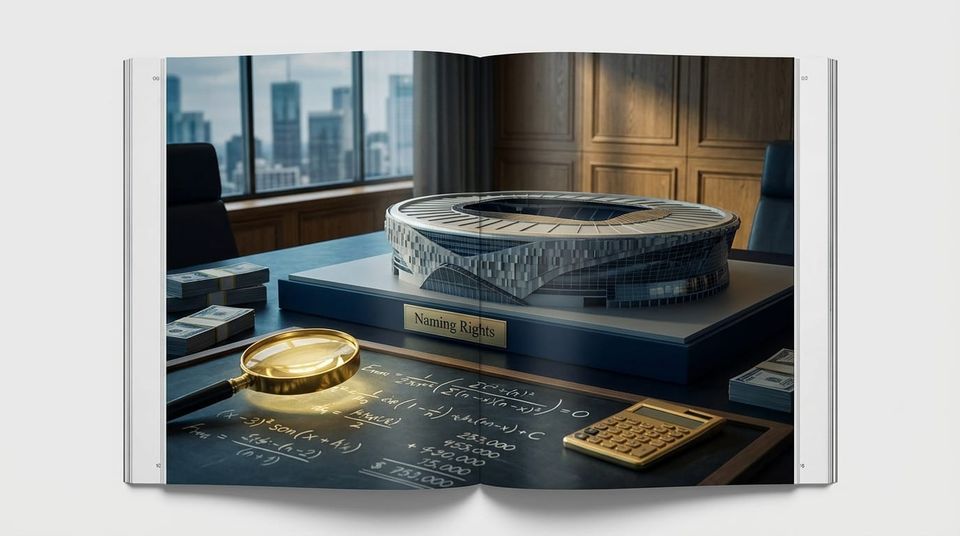
Seven hundred million dollars.
$700,000,000.
That’s the price. Not for a company, not for a fleet of jets. It’s the price for twenty years of a name on a building in downtown Los Angeles. The building you used to call the Staples Center cost $375 million to build back in 1999. The name on the outside is now worth nearly double the cost of the entire structure inside. That's not inflation... that's a seismic shift in what we value.
You might think a number that big is pulled from thin air. A vanity project for a CEO. But it isn't. It’s the result of a cold, hard calculus of attention, a formula designed to quantify fame. The final price tag is a composite of several key metrics, each with its own weighted value.
- Media Exposure Value: The raw number of times the name is seen and heard.
- Market Power: The size, wealth, and influence of the host city.
- Tenant Strength: The popularity and success of the teams playing inside.
- Venue Versatility: The sheer volume of non-sporting events held each year.
- Deal Exclusivity: The specific terms, length, and category ownership in the contract.
The Attention Algorithm
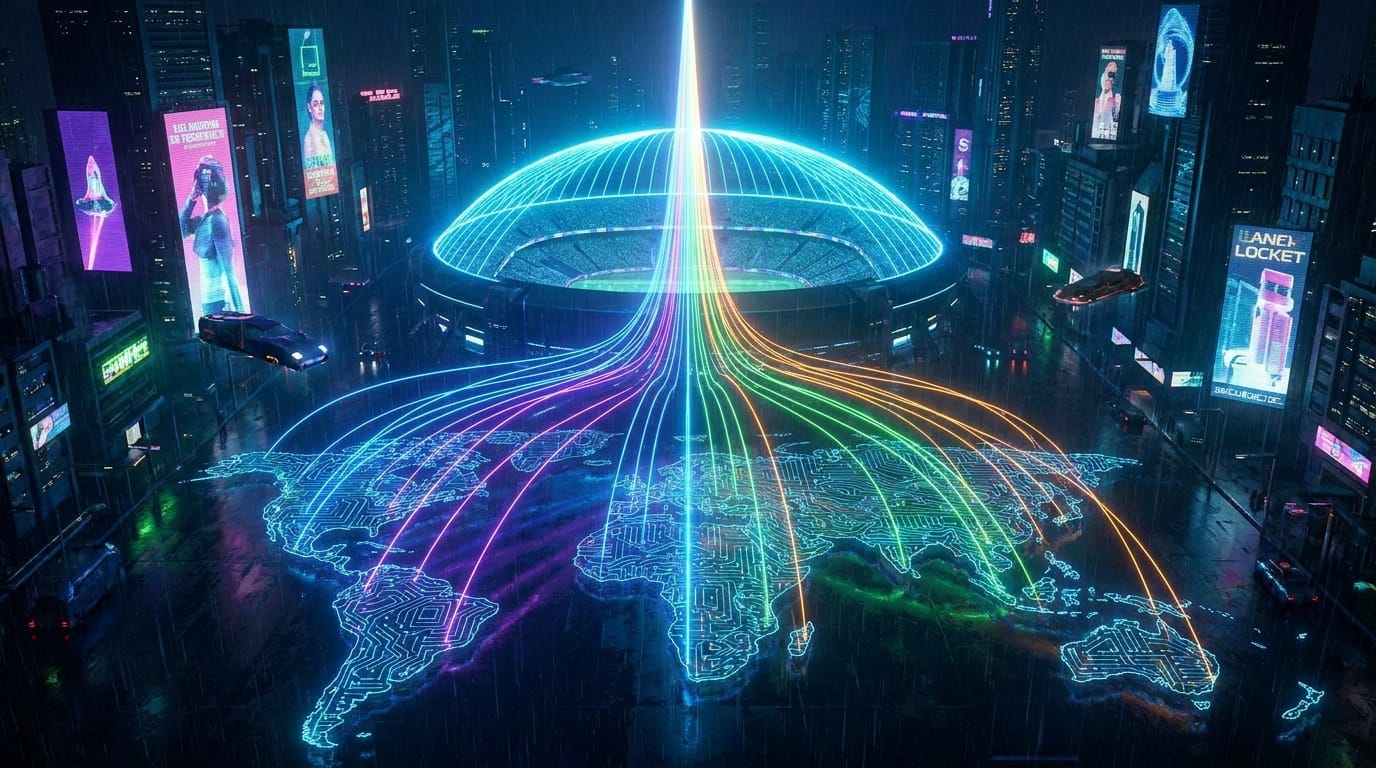
Forget billboards. The real metric is something called Media Value Equivalency. Every single time a commentator says “Crypto.com Arena” on a national broadcast, it’s tracked. Every time the logo appears on screen during a highlight reel, it's logged. Each instance is assigned a dollar value equivalent to what a traditional 30-second ad would cost to reach that same audience. It’s a machine built to turn mentions into money. When you add up millions of mentions across hundreds of events per year, from NBA games to the Grammy Awards, you begin to understand the scale.
Location, Legacy, and LeBron
Why isn't the arena in Oklahoma City worth $700 million? Market size. The Los Angeles media market is the second largest in the United States. That's the baseline. Then you add the tenants. Not one, but two NBA franchises-the Lakers and the Clippers-plus the NHL's Kings and the WNBA's Sparks. And then you add the 'star power' multiplier. Having arguably the most famous athlete on the planet, LeBron James, playing 41 home games a year there creates a gravitational pull for global attention that a team in a smaller market simply cannot replicate. A championship run for the Lakers isn't just a local story; it's a global one, with the sponsor's name attached to every headline.
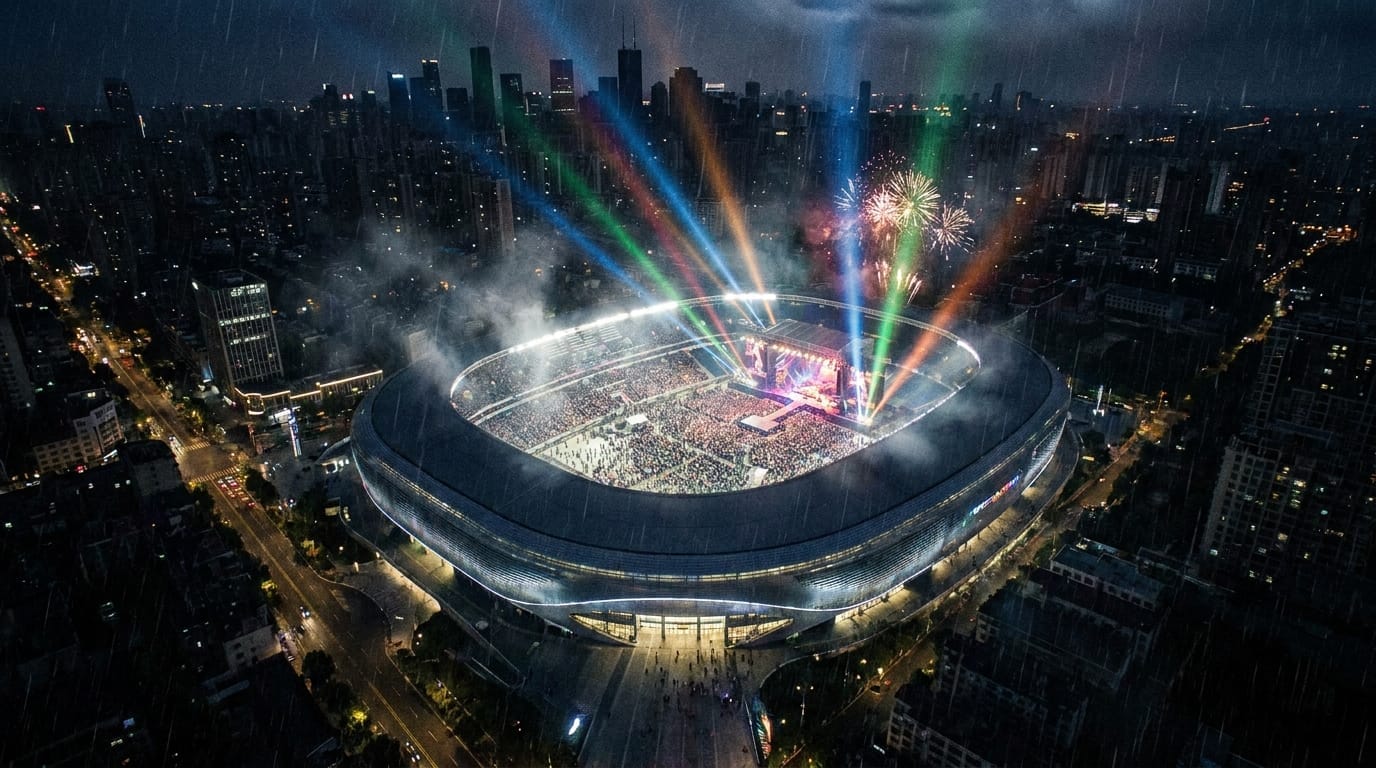
But this is where the gamble truly begins. A corporation isn't just buying today's attention; it's placing a massive bet on the attention of 2041. It's betting the teams will remain relevant. It's betting the city will continue to be a global hub. Most of all, it's betting its own company will still be a titan two decades from now.
Sometimes the bet goes wrong. Just look at FTX Arena in Miami. A $135 million deal that lasted less than two years before the company imploded in scandal. The name was stripped from the building in a very public, very expensive failure. That's the risk baked into the price. The potential for brand association has to be so immense that it's worth the catastrophic downside of a public divorce.
The calculus has to account for winning seasons and losing streaks, for economic booms and busts, for a star player's retirement or a competitor's sudden rise. It's a forecast of cultural significance, priced out to the second decimal place.
Because in the end, they aren't just buying the rights to steel and glass. They're buying a permanent address in millions of minds.