
How GPS Satellites Secretly Power Financial Trading

When you think of GPS, you're probably picturing the map on your phone that keeps you from getting lost. It's a lifesaver, for sure. But what if I told you that same network of satellites orbiting way up there is the secret backbone of Wall Street's multi-trillion dollar trading machine? It's a wild story, and it's not about location at all. It all comes down to a single, mind-bendingly precise measurement: time.
Pro Tip #1: Forget Location, It's All About the Atomic Clocks
Here's the thing they don't tell you: every single GPS satellite is basically a giant, ridiculously accurate clock hurtling through space. We're not talking about a clock you'd have on your wall; these are atomic clocks, precise to within a few billionths of a second. This incredible precision is the real product of the GPS network, and it's what financial institutions are truly tapping into.
Pro Tip #2: Synchronizing a Global Marketplace
Think about high-frequency trading (HFT), where millions of trades happen every second across exchanges in New York, London, and Tokyo. For that system to not collapse into chaos, everyone needs to agree on the exact time, down to the nanosecond. GPS provides that universal time standard, acting as a global metronome that ensures a trade logged in one part of the world is perfectly synchronized with another.
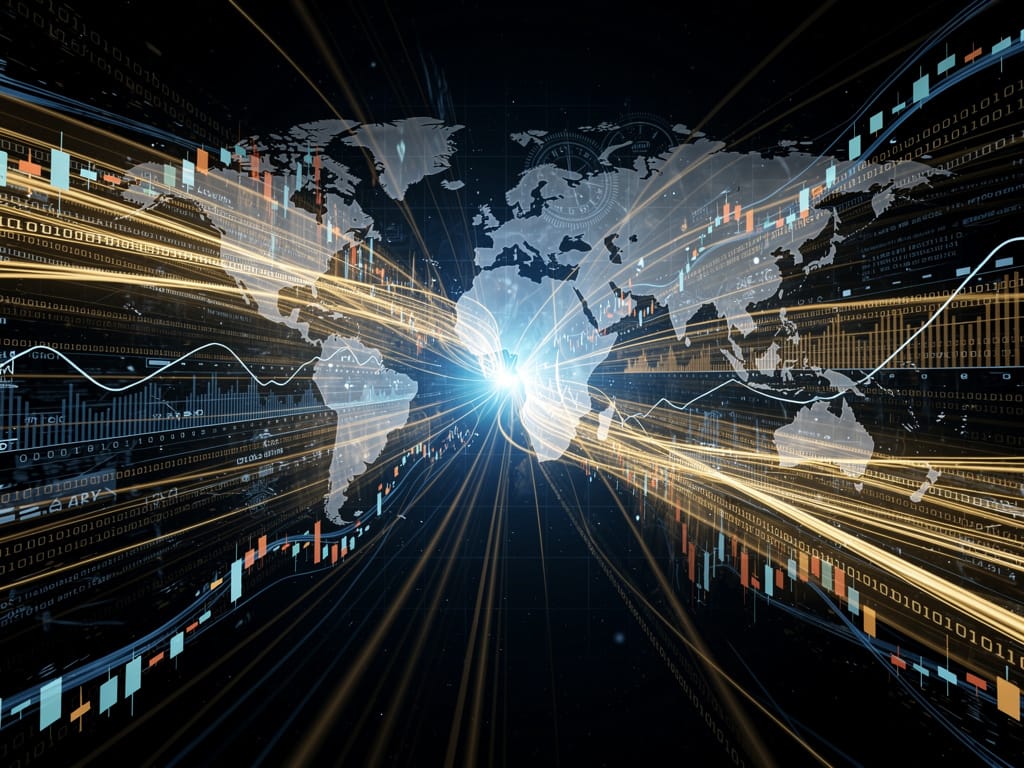
Pro Tip #3: The Never-Ending Race for Nanoseconds
In the world of HFT, being a fraction of a second faster than a competitor can be the difference between making millions and losing a fortune. Traders need to prove not just what happened, but exactly when it happened. GPS time-stamping provides that indisputable, third-party proof of when an order was placed and executed, serving as the official referee in a game played at the speed of light.
Pro Tip #4: Building Digital Fences for Security
While time is the main event, the 'positioning' part of GPS still plays a key role, just not for navigation. Financial firms use the location data to create 'geo-fences' around their operations, ensuring that trades are only executed from authorized physical locations. It’s a powerful tool for regulatory compliance and for stopping fraud before it can even start.
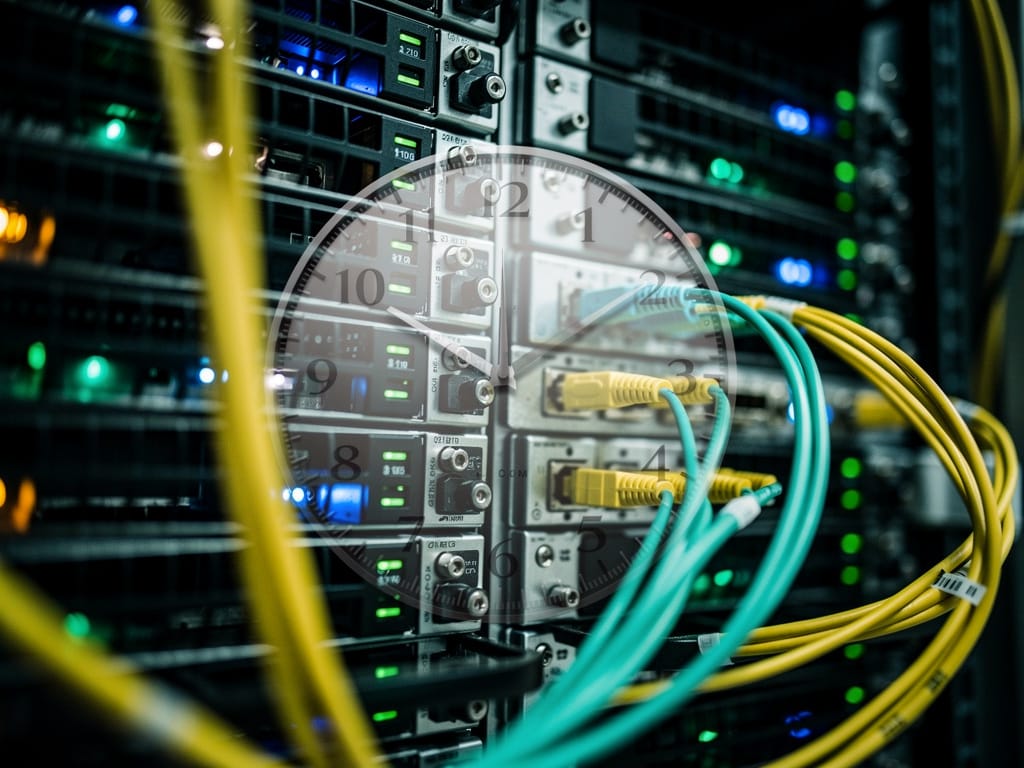
Pro Tip #5: Understanding the System's Quiet Vulnerability
You've got to understand that this reliance creates a massive, hidden vulnerability. The entire global financial system is leaning heavily on a network of a few dozen satellites. A sophisticated attack on the GPS network, such as signal jamming or 'spoofing' (sending fake time signals), could trigger unimaginable chaos in the markets. It’s the quiet risk that keeps a lot of very smart people up at night.
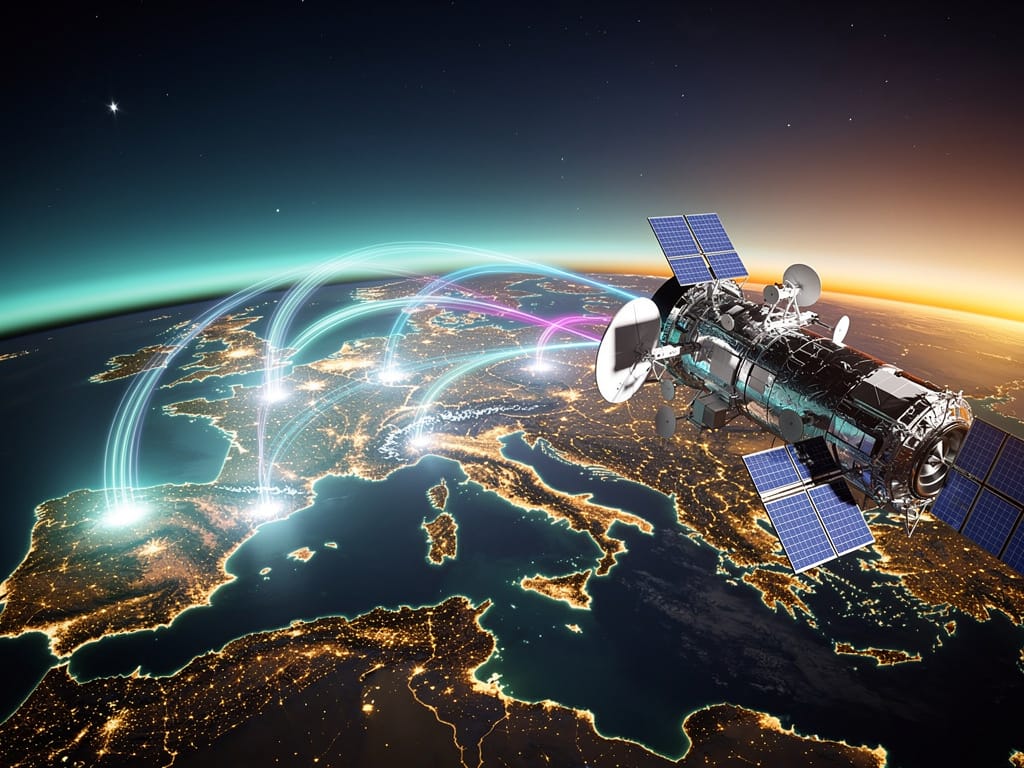
So, the next time you use your phone for directions, take a moment to appreciate what's really going on. You're tapping into the very same system that keeps the world's financial heart beating, not because it knows where you are, but because it knows precisely when you are. This invisible network of clocks in the sky is the unsung hero of modern finance, a silent arbiter ensuring every microsecond trade is synchronized, verified, and accounted for across the entire planet.