
Beyond the Game: Deconstructing the Multi-Billion Dollar Franchise Economics of Professional eSports.
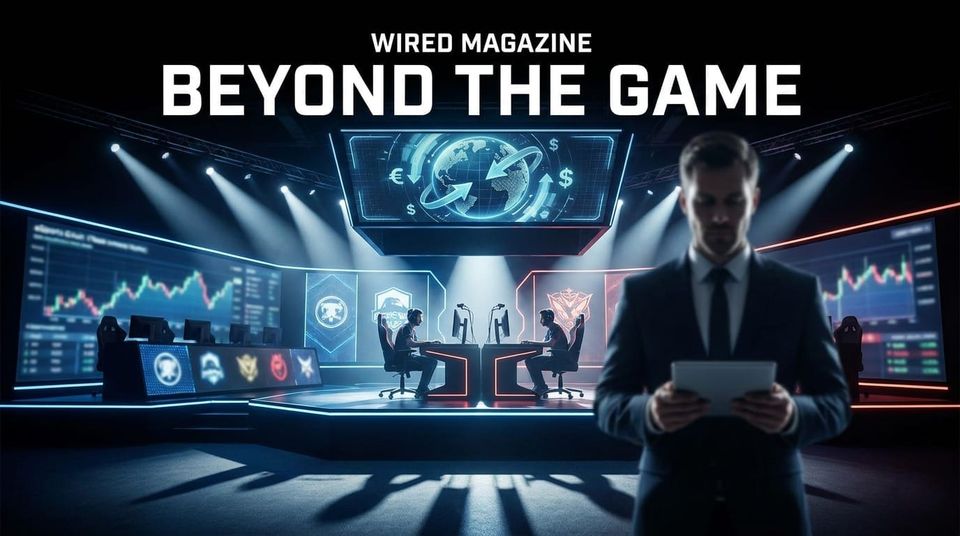
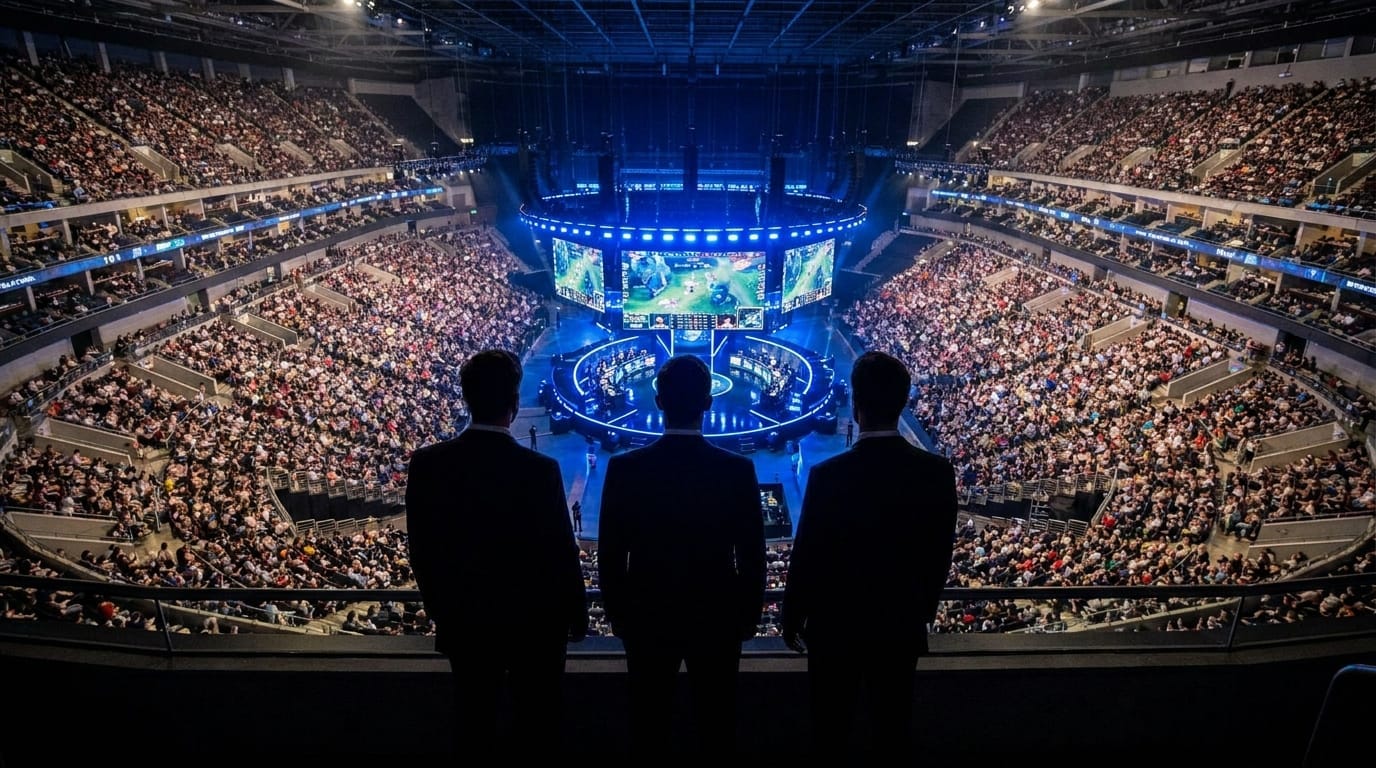
The air crackles with energy, a roar from ten thousand fans shaking the arena as pixelated heroes clash on a screen the size of a building. This isn't the Super Bowl or the World Cup, but the stakes are just as high, with millions of dollars on the line. Yet, the most significant battles aren't fought on this digital battlefield; they are waged in boardrooms where the true architecture of a multi-billion dollar industry is being built, one franchise at a time.
The Price of Admission: Securing a Digital Dynasty
Forget the old image of gamers in a dimly lit basement. The entry ticket to a top-tier professional eSports league, like the League of Legends Championship Series (LCS) or the Overwatch League, now costs a staggering eight figures. We're talking franchise fees ranging from $20 million to over $60 million, a price tag that rivals entry into some traditional sports leagues and immediately separates serious investment firms from hopeful enthusiasts. This initial buy-in isn't just a fee; it's a monumental capital investment that forms the bedrock of the entire franchise model.
So, what does that mountain of cash actually buy? It purchases stability and a permanent seat at the table. Unlike the old open-circuit system where teams could be relegated or simply fail to qualify for major tournaments, the franchise model guarantees a spot in the league's top competition year after year. This security allows owners to build long-term strategies, invest in player development, and confidently approach sponsors without the constant fear of disappearing from the public eye. It transforms a volatile passion project into a predictable, appreciable asset.
The capital flowing into these franchises comes from some of the biggest names in sports and finance. You have NFL owners like the Rams' Stan Kroenke and the Patriots' Robert Kraft, alongside NBA owners and powerful venture capital groups. This infusion of established, 'smart money' does more than just fund operations; it lends a powerful air of legitimacy to the entire eSports ecosystem. When seasoned investors who built empires in traditional sports decide to write eight-figure checks, the world takes notice and understands that this is no longer just a game.
Monetizing the Metropolis: The Three Pillars of Revenue
A common misconception is that eSports teams survive on prize money from winning tournaments. In reality, prize winnings are often just a bonus for the players, not a sustainable revenue source for the organization. The true financial engine of a modern eSports franchise is built upon a powerful triad of income streams: sponsorships, media rights, and merchandising. This diversified model is what allows teams to pay player salaries, build state-of-the-art training facilities, and operate as a legitimate business.
Sponsorships are the lifeblood, and they extend far beyond gaming-centric brands like headset or energy drink companies. Major global corporations-from BMW and Honda to Mastercard and Louis Vuitton-are pouring millions into eSports to capture the attention of the highly sought-after 18-to-34-year-old demographic. These deals involve much more than a simple logo on a jersey; they are deep integrations, including branded content, sponsored tournament segments, and custom product lines that authentically connect with a historically hard-to-reach audience.
Following closely behind sponsorships are media rights and merchandise. Leagues negotiate massive, exclusive broadcast deals with platforms like Twitch and YouTube, generating a central revenue pool that is then shared among all franchise owners. At the same time, individual teams cultivate intense brand loyalty, turning that passion into profit through the sale of jerseys, hats, and other team-branded gear. Every jersey sold in Seoul, Berlin, or Los Angeles is not just a piece of clothing; it's a recurring revenue stream and a symbol of a fan's identity.
The Global Arena: Scaling Fandom into Fortune
Perhaps the greatest strategic advantage eSports holds over many traditional sports is its inherently global nature. While American football is largely confined to the United States, top eSports like League of Legends and VALORANT command massive, dedicated audiences across North America, Europe, China, and South Korea. This international footprint presents an enormous opportunity for growth, allowing a single team to build a brand that resonates with fans and attracts sponsors from multiple continents simultaneously.
The smartest franchises are leaning into this global appeal by establishing a strong local presence. This 'glocalization' strategy involves setting up training facilities in key markets, hosting live fan events, and creating region-specific content that speaks directly to the local culture. A team might have its headquarters in Los Angeles but run a Korean-language content channel or host a fan fest in Berlin. This approach builds a much deeper, more authentic connection than a purely online presence ever could, unlocking local sponsorship dollars in the process.
Looking forward, the monetization of this global fandom is evolving rapidly. The next frontier extends beyond selling physical merchandise and into the digital world that these fans already inhabit. We're seeing the rise of digital collectibles, team-branded in-game items, and exclusive membership models that offer behind-the-scenes access for a subscription fee. These innovative strategies are designed to create new, recurring revenue streams by giving the most passionate fans more ways to engage with and support the teams they love.
- The modern eSports ecosystem is built on a high-cost franchise model that mirrors traditional sports, ensuring stability and attracting serious institutional investment.
- Sustainable revenue is driven by a trifecta of sponsorships, media rights deals, and global merchandising, making tournament prize money a secondary concern.
- Future growth hinges on leveraging a massive, international fan base through localized strategies and new digital monetization methods.