
How Corporations Are Now Trading the Air We Breathe
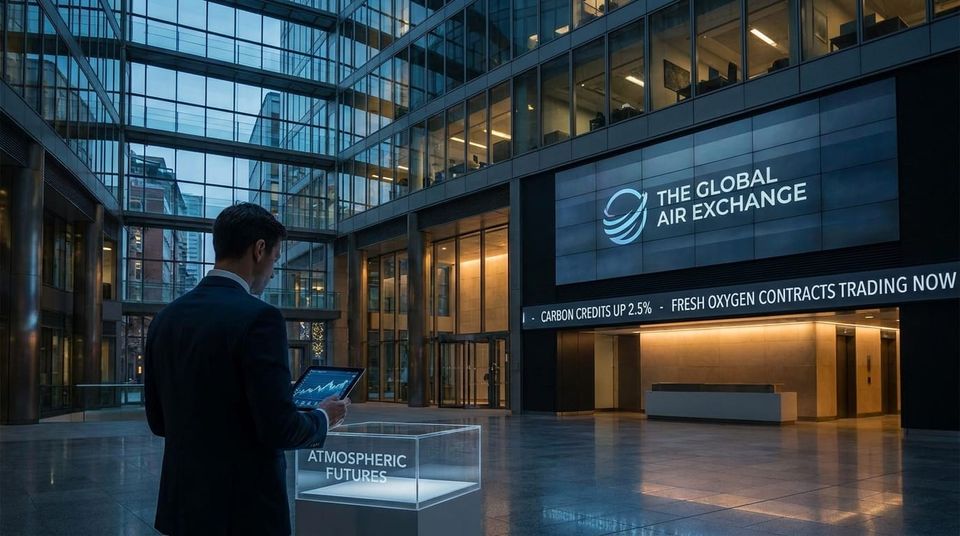
The air we breathe is now a commodity. Corporations actively buy and sell the right to pollute it. This market is called carbon trading, and it has fundamentally altered global finance.
The Cap-and-Trade Foundation
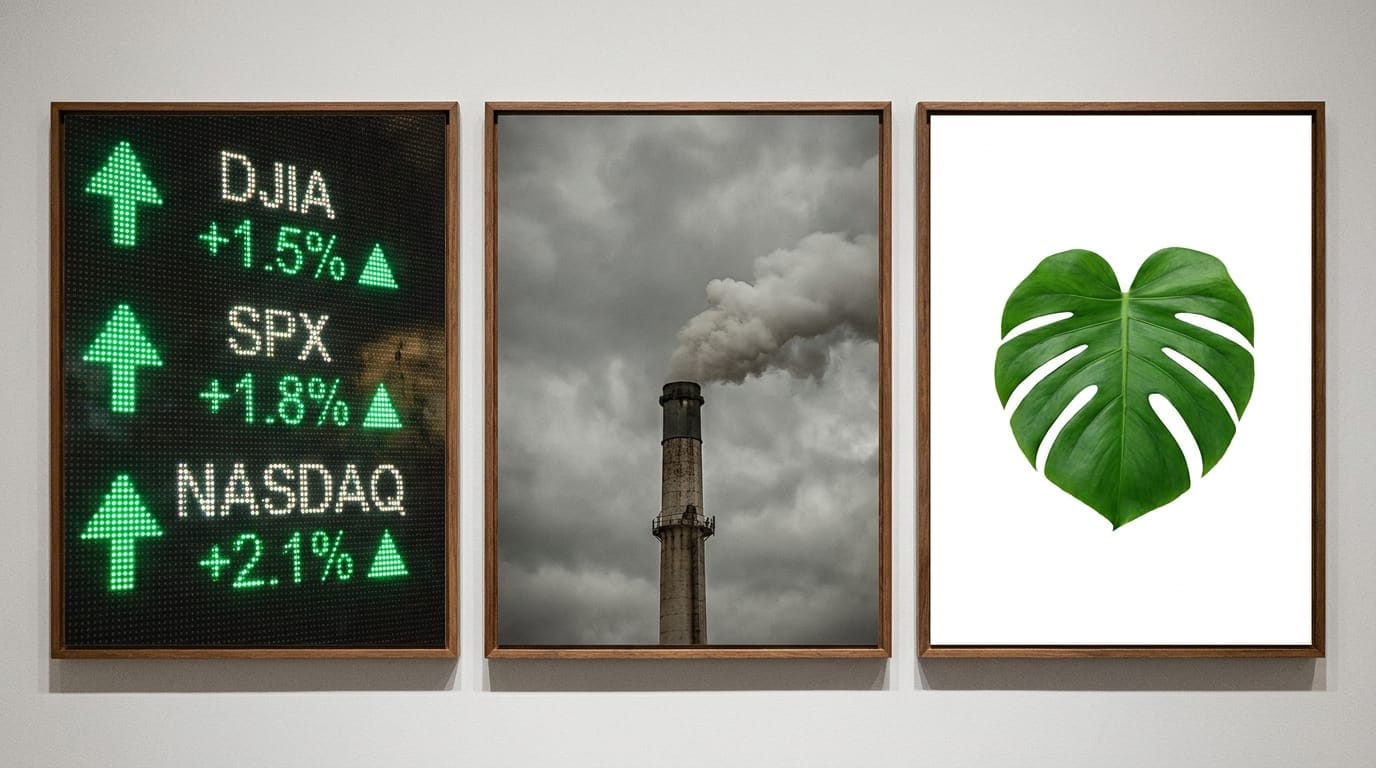
The system starts with a simple concept: a cap. A government or regulatory body sets a firm, decreasing limit on the total volume of greenhouse gases that can be emitted into the atmosphere by a group of industries. This legally-binding limit creates scarcity. Without scarcity, there is no value, and without value, there is no market.
Next comes the trade. Regulators issue or auction off a finite number of emission allowances, often called carbon credits, to companies within the system. Each allowance permits the holder to emit one ton of carbon dioxide. If a company cuts its emissions, it can sell its unused allowances to another company that is struggling to stay below its own limit.
This mechanism transforms pollution from an externality into a direct operational cost. Suddenly, emitting carbon appears as a liability on a corporate balance sheet, and a surplus of allowances becomes a tradable asset. The incentive is clear: reduce emissions to save money or sell your surplus for pure profit.
Carbon Credits vs. Carbon Offsets
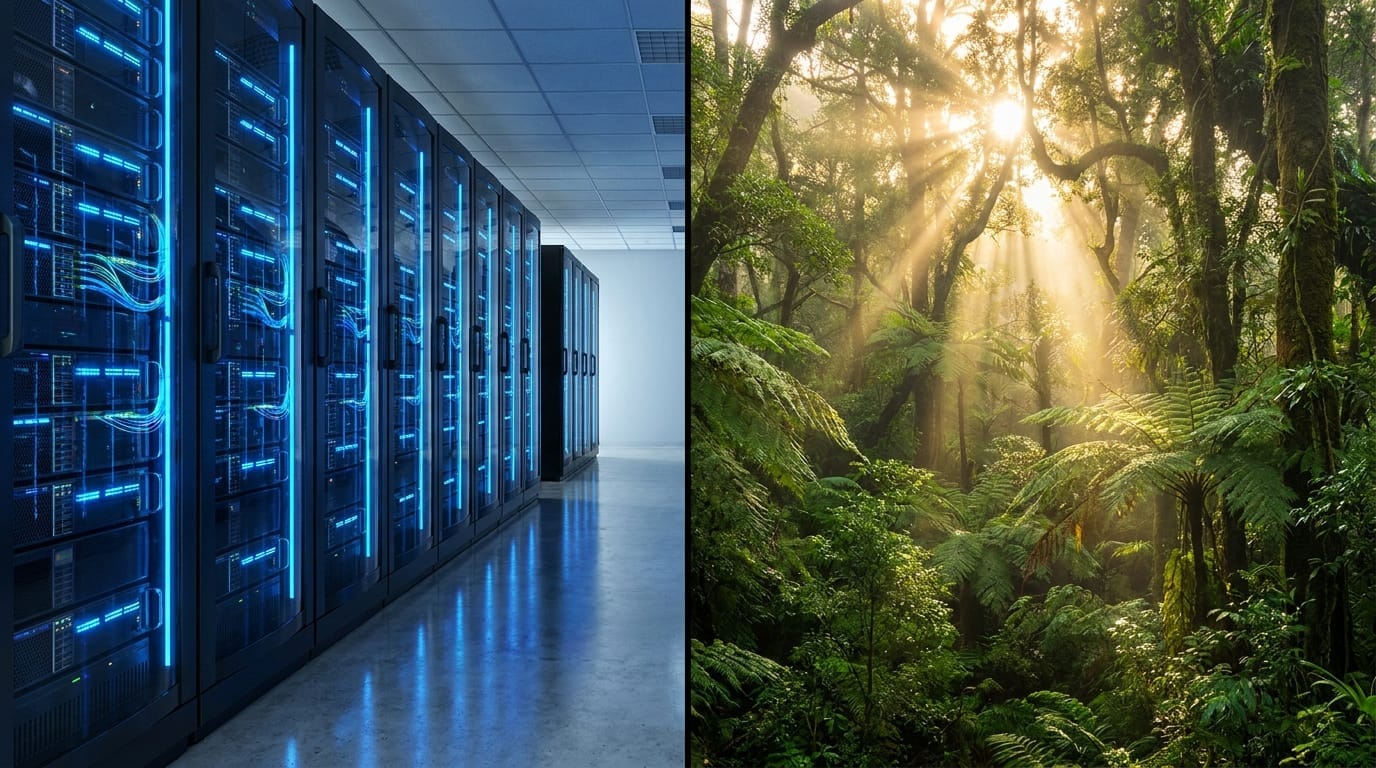
People often use these terms interchangeably, but they represent two different tools. A carbon credit is a permit to pollute, born from a mandatory cap-and-trade system. It is a compliance instrument, allowing a company to meet its legally required emissions target within a closed, regulated market.
A carbon offset is something else entirely. This is a certificate representing the reduction or removal of one ton of carbon dioxide from the atmosphere through a project somewhere else. A corporation might buy offsets from a reforestation project or a renewable energy installation to compensate for its own emissions, often as part of a voluntary corporate social responsibility program.
The distinction is everything. Credits operate within a fixed-supply system designed to force down total emissions across an entire economic sector. Offsets operate in a more open, often voluntary market, aiming to balance the carbon ledger. One is about mandatory reduction, the other is about voluntary compensation.
The Financialization of the Atmosphere
This is no longer just an environmental policy; it is a full-fledged financial market worth hundreds of billions of dollars. Investment banks, hedge funds, and commodity traders are now major players. They trade carbon allowances and their derivatives-like futures and options-with the same intensity they trade oil, gold, or corn.
Like any commodity, the price of carbon is volatile. It fluctuates based on economic output, shifts in government policy, technological advancements, and even weather patterns that affect energy demand. This volatility creates enormous risk for industrial companies but presents a massive opportunity for sophisticated financial speculators who can profit from the price swings.
The ultimate goal is to establish a global price on pollution, forcing the market to account for its own environmental damage. By turning the right to emit into a tradable asset, the system makes clean operations a source of competitive advantage. The debate now is whether this financial engineering can truly solve the climate challenge or if it has simply created another complex market for Wall Street to exploit.
- Governments create scarcity by putting a hard limit, or cap, on total emissions.
- Companies trade allowances to pollute, creating a direct financial incentive to reduce their carbon footprint.
- This system has birthed a massive financial market where the atmosphere itself is a tradable asset.