
Why Luxury Watches Are a Secret Economic Indicator
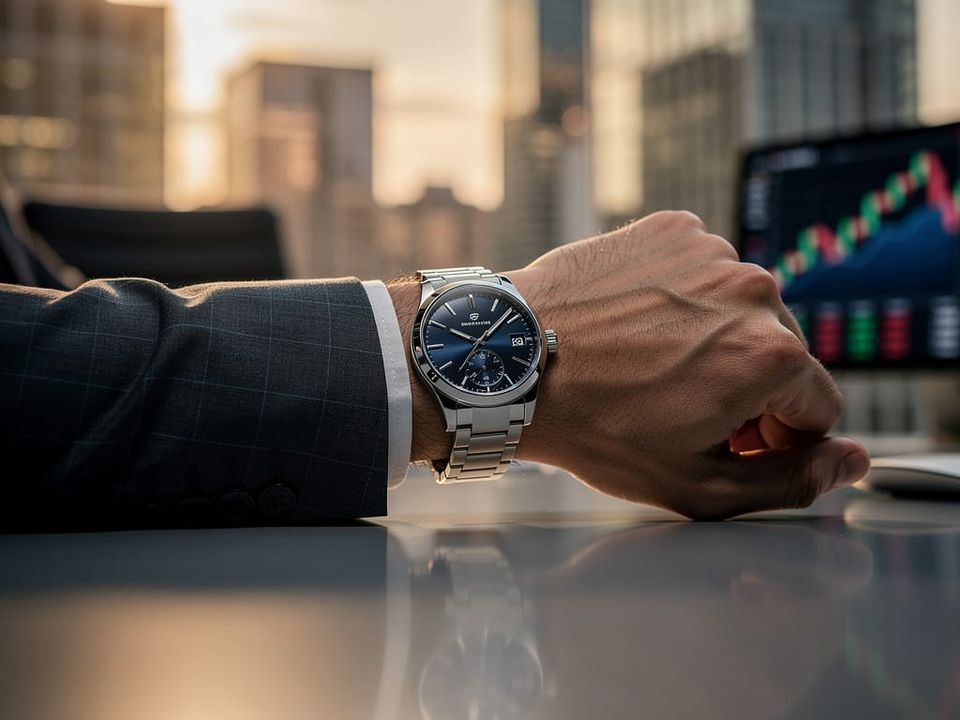
The Canary in the Coal Mine Wears a Rolex
Forget the stock market ticker. Ignore the endless chatter about interest rates for a moment. If you want a raw, unfiltered signal of economic health, look at the price of a Patek Philippe Nautilus on the secondary market. Luxury watches are not just jewelry. They are a powerful, and often overlooked, economic indicator. They tell a story about wealth, confidence, and the flow of capital around the globe.
This isn't about telling time. It's about discretionary spending at its highest level. A high-end mechanical watch is a Veblen good. Its appeal increases as its price rises. People buy these items with money they don't need for survival. This is excess capital in its purest form. When that capital pool shrinks, or when the wealthy feel uncertain, the watch market is one of the first places to show cracks. It reacts faster than housing data or official employment figures.
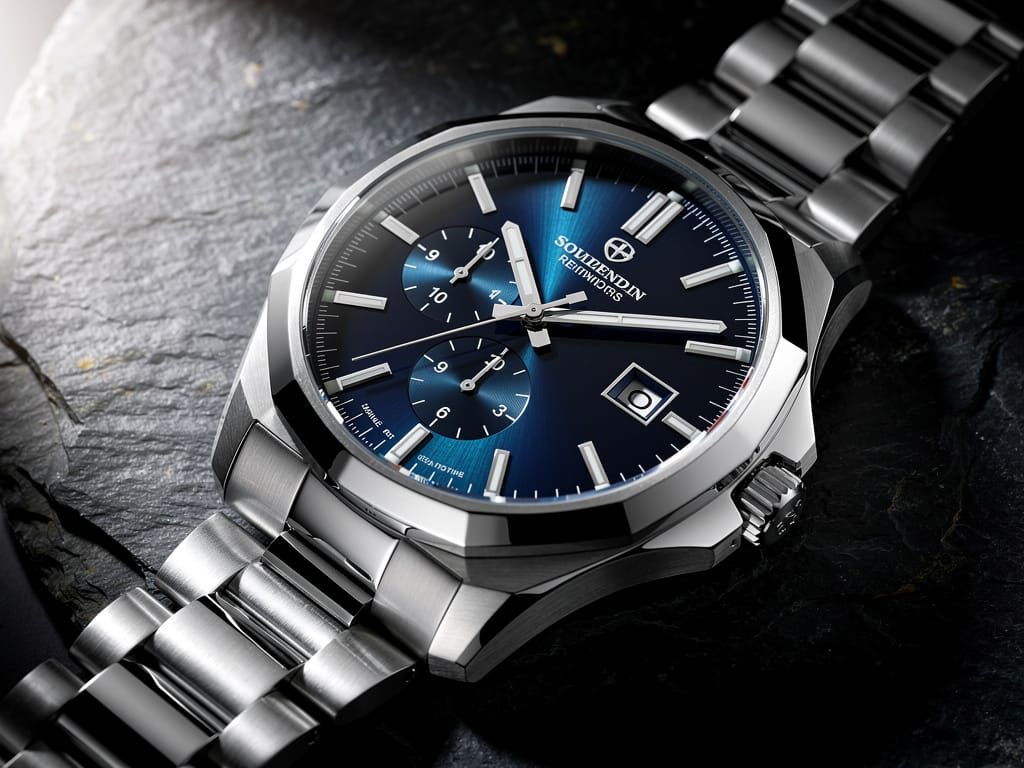
Where the Real Action Happens
Authorized dealers are not the source of truth. They have waitlists that stretch for years, creating an artificial sense of scarcity. The real barometer is the secondary market. This is where watches are traded like stocks, with prices dictated by pure, unadulterated supply and demand. Platforms that track these prices provide a real-time sentiment index for the world's affluent.
When the price of a Rolex 'Pepsi' GMT-Master II starts to slide, it signals that owners are looking for liquidity. They are cashing out their tangible assets. This often happens before a broader market downturn. Why? Because when high-net-worth individuals anticipate economic trouble, they move to cash. A five-figure or six-figure watch is a quick, easy asset to liquidate. It's a flight to safety that you can see happening in plain sight.
Tracking the Tremors
The patterns are clear. During the dot-com bust, the 2008 financial crisis, and the recent crypto winter, the secondary watch market cooled significantly before the full impact was felt elsewhere. Conversely, the post-pandemic boom tells the other side of the story. Stimulus checks, soaring asset prices, and a lack of spending on travel or experiences created a massive bubble. Money flooded into collectibles, and watch prices exploded to unsustainable highs.
The subsequent correction was not a surprise. It was a warning. As central banks began tightening monetary policy, the watch market was one of the first asset classes to deflate. The WatchCharts Overall Market Index, which tracks the prices of top models from leading brands, peaked in early 2022 and began a steady decline. This was a clear signal that the era of 'easy money' was over, long before the headlines caught on.
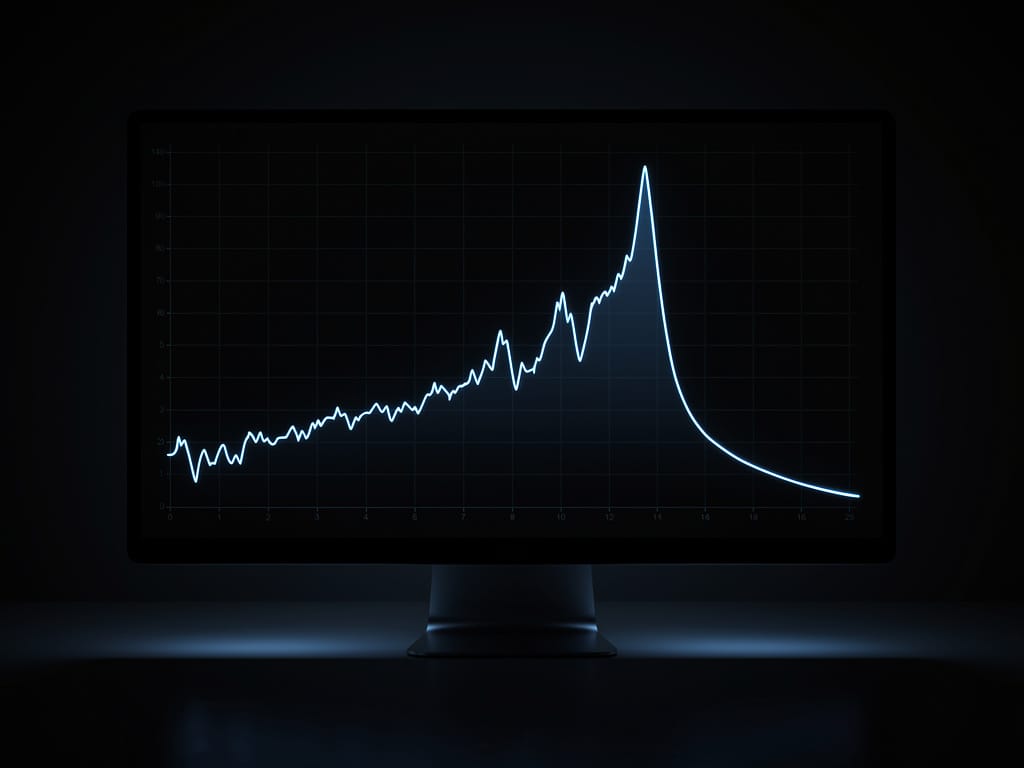
This isn't about predicting a crash down to the day. It's about understanding sentiment. The demand for these intricate machines is a direct reflection of the confidence of those with the most capital to deploy. When they stop buying, or start selling, it pays to ask why. The answer often reveals a much larger economic truth. It's a tangible signal in a world of abstract financial instruments, and a data point that deserves a place in any serious market watcher's toolkit.