
The Billionaire Bunker Economy
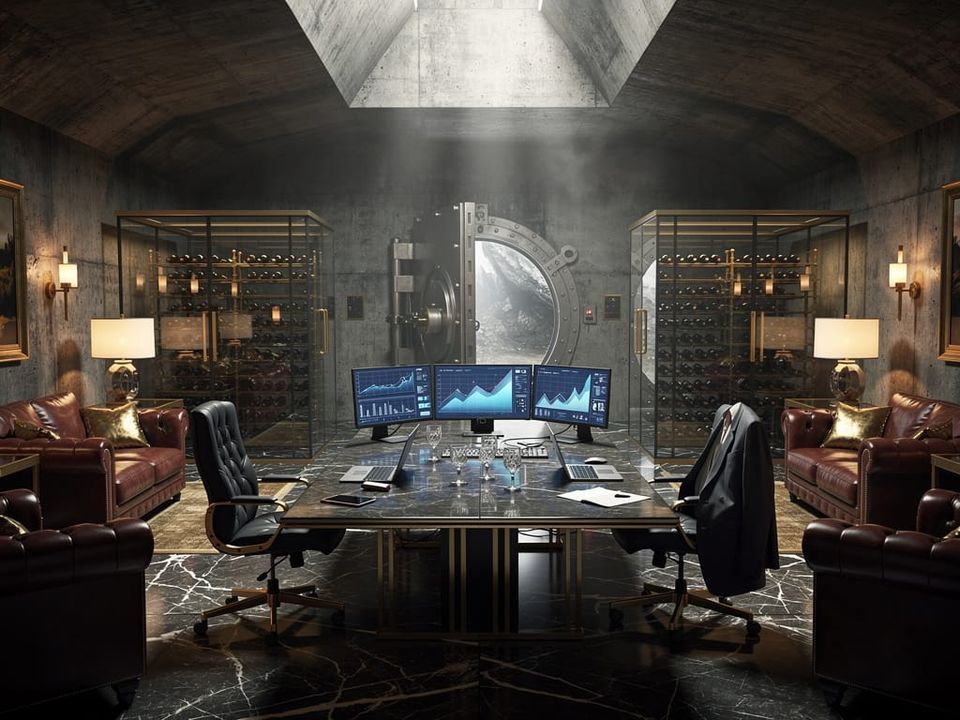
The World's Richest People Are Betting on the Worst
Here's something that should make you think twice about how the ultra-wealthy see the future: billionaires are quietly pouring billions into underground bunkers, private islands, and off-grid compounds - and they're building entire economies around them.
This isn't conspiracy theory territory. It's a measurable, documented economic trend reshaping real estate, defense contracting, and private logistics.
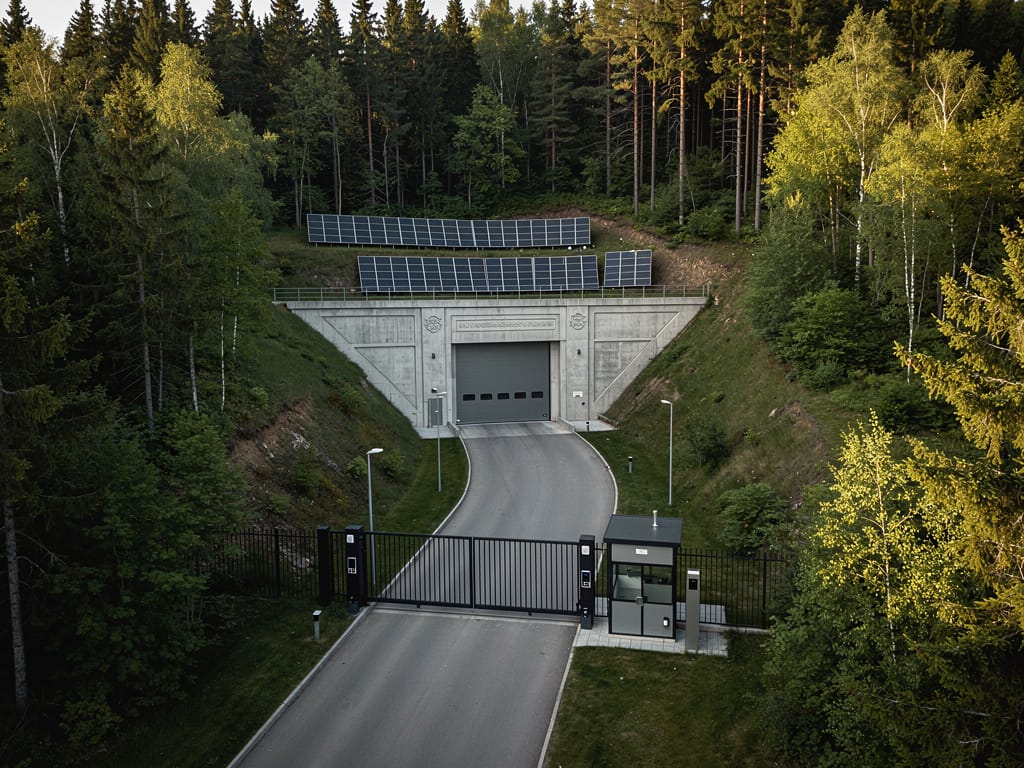
What Exactly Is the Bunker Economy?
Let's break it down. The billionaire bunker economy refers to the full ecosystem of goods, services, and infrastructure that has emerged to serve ultra-high-net-worth individuals preparing for large-scale disruptions.
We're talking about:
- Luxury survival real estate - converted missile silos, underground condos, and fortified mountain retreats selling for $1.5M to $50M+ per unit
- Private security forces - personal armies, not just bodyguards, with tactical training and armored vehicle fleets
- Off-grid energy systems - nuclear micro-reactors, advanced solar arrays, and hydrogen fuel cells powering these compounds independently for years
- Seed vaults and food production labs - hydroponic farms, livestock facilities, and freeze-dried food stockpiles measured in decades, not months
- Private aviation and maritime escape routes - dedicated airstrips, submersibles, and ocean-going vessels on permanent standby
The company Vivos xPoint in South Dakota converted a former U.S. Army munitions depot into 575 private bunker units. They sold out. That tells you everything about demand.
The Numbers Behind the Fear
Here's the truth: this market is not small anymore.
- The global luxury bunker market was valued at over $500 million in recent years and is projected to grow at a compound annual rate exceeding 7%
- Rising Star bunker developer Robert Vicino reported a 2,000% spike in inquiries following major geopolitical events
- New Zealand saw a 13,401% increase in American searches for property there following the 2016 U.S. election - a documented flight-to-safety signal from the wealthy
- Peter Thiel, co-founder of PayPal, secured New Zealand citizenship and purchased a 477-acre estate there - a move widely analyzed as strategic geographic diversification
Let's dive deeper. What's actually driving this?
The Core Fears Fueling the Spending
- Geopolitical instability - rising tensions between major powers, nuclear posturing, and proxy conflicts
- Pandemic risk - COVID-19 proved that global supply chains can collapse faster than anyone planned for
- Climate disruption - extreme weather events, flooding, and resource scarcity are no longer distant projections
- Social unrest - wealth inequality data from institutions like the Federal Reserve shows the gap widening, and the ultra-wealthy are acutely aware of historical patterns
- AI and technological disruption - even tech founders are hedging against the systems they're building
Who's Actually Building This Economy?
But wait. The bunker economy isn't just about the billionaires hiding underground. It's generating real jobs and real industries for everyone else.
- Architects and engineers specializing in blast-resistant, self-sustaining structures are commanding premium rates
- Private military contractors like G4S and smaller boutique firms are expanding their ultra-HNW client divisions
- Agricultural technologists designing closed-loop food systems for isolated environments are seeing serious venture funding
- Cybersecurity specialists protecting private communication networks for off-grid compounds are in high demand
- Logistics experts managing the supply chains for remote, self-sufficient properties are building niche, highly profitable businesses
The Survival Condo Project in Kansas - a converted Atlas missile silo - sells full-floor units at $3 million each. It includes a pool, cinema, dog park, and a five-year food supply. The developer, Larry Hall, has a waiting list.
What This Means for the Rest of Us
Here's the empowering part - and yes, there absolutely is one.
The billionaire bunker economy is a signal, not just a spectacle. When the world's most informed, most resourced individuals start making massive bets on resilience and self-sufficiency, it's worth paying attention to the underlying logic - even if you're not buying a missile silo anytime soon.
The principles driving their decisions translate directly to personal financial resilience at every level:
- Diversification across geographies - not just investment portfolios, but physical optionality
- Energy independence - solar, battery storage, and reduced grid dependence are accessible at the household level
- Food security awareness - building even a modest emergency food supply is a form of personal risk management
- Skills and community networks - the most resilient people in any disruption scenario are those with real skills and trusted relationships, not just assets
- Liquid emergency reserves - the billionaire version is a bunker; your version is a fully funded emergency fund that can't be touched
The ultra-wealthy are simply operating at a different scale. But the mindset of preparation, diversification, and resilience is one you can adopt right now, at whatever level you're at.
The bunker economy is a mirror. It reflects back the risks the smartest money in the world sees coming - and it challenges you to think seriously about your own financial and personal resilience strategy.
Start small. Think big. Build something that lasts.