
Wall Street's Water Bet
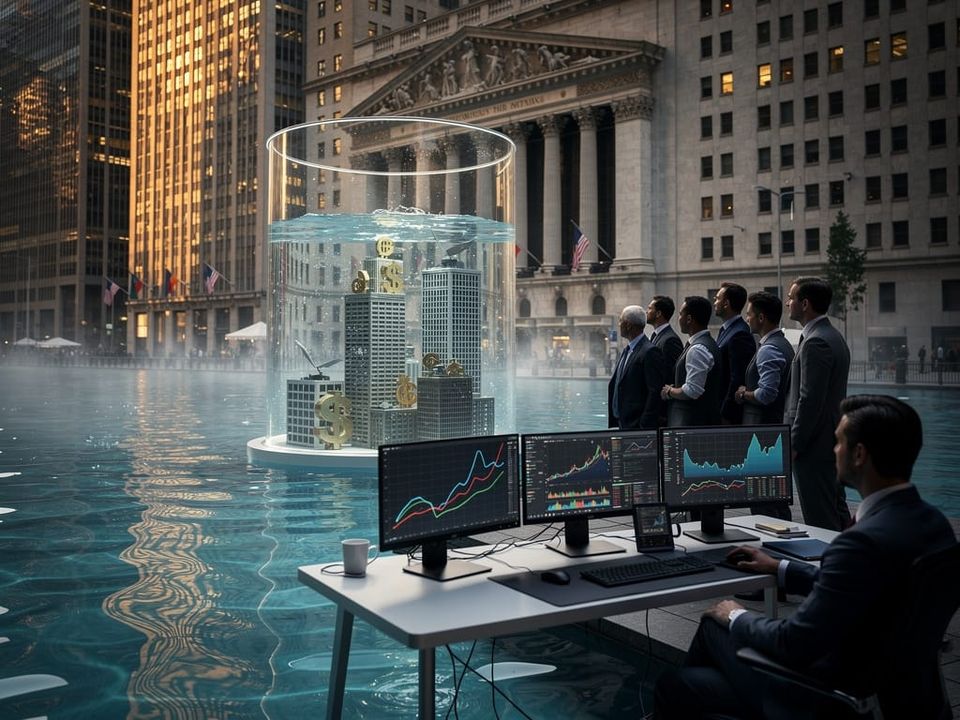
Let's sit down and chat about something that feels so fundamental, so basic, it's almost strange to talk about it in financial terms: water. You and I both know it's the source of everything, but what you might not know is that Wall Street has found a way to trade it like gold or oil. It sounds like something out of a science fiction movie, doesn't it? But it's very real, and it signals a huge shift in how the world is starting to think about our most precious resource.
Why Water? The Scarcity Story
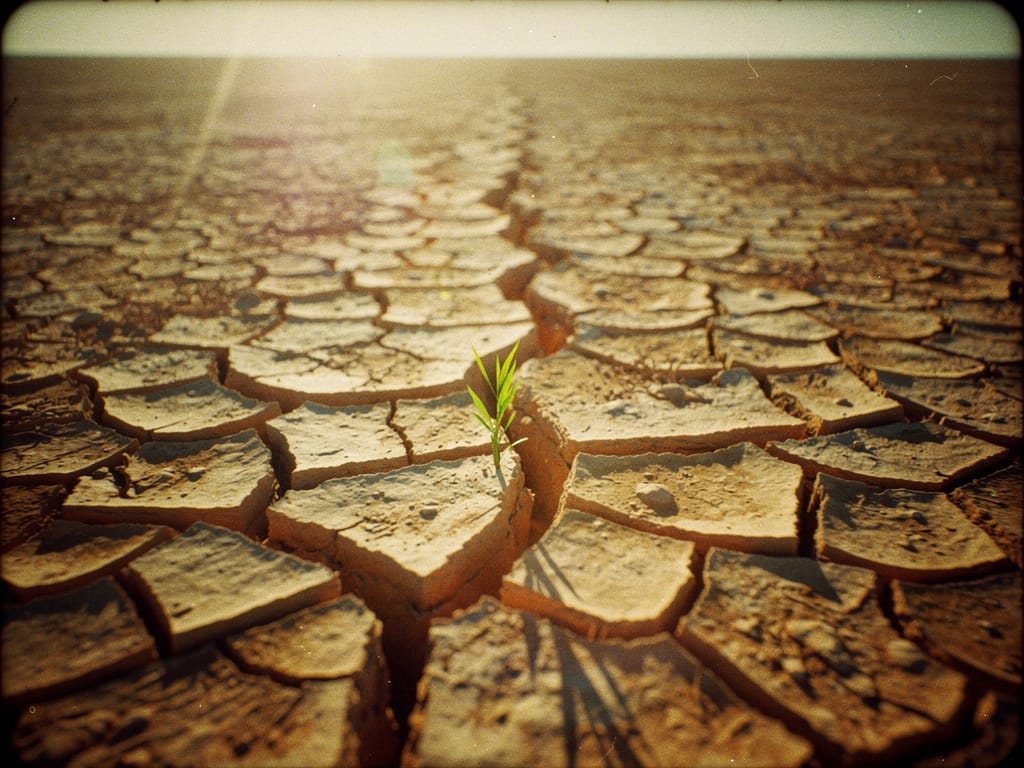
So, what's the big idea? Why on earth would financiers be interested in H2O? It really boils down to one simple, powerful concept: scarcity. For a long time, most of us have lived with the idea that you can just turn on a tap and water will appear. But in many parts of the world, and even right here in the U.S., that's not a given anymore. Places like California have been dealing with serious droughts for years, and this puts immense pressure on everything from the food we eat to the power that runs our homes.
When a resource becomes scarce and is essential for, well, everything, its value becomes a lot more volatile. Farmers need to know they can afford to water their crops next season. Cities need to plan their budgets for providing water to millions of people. This uncertainty creates risk, and wherever there's financial risk, you can be sure Wall Street is looking for a way to manage it-and of course, to profit from it. This isn't about owning the world's drinking water; it's about managing the financial risk tied to its availability.
How Exactly Are They Trading Water?
Okay, this is where it gets interesting. They aren't rolling barrels of water down the floor of the New York Stock Exchange. The whole thing is based on something called water futures. In late 2020, the CME Group, a major global markets company, launched contracts tied to the Nasdaq Veles California Water Index (you'll see it listed as NQH2O). This index tracks the real-time price of water rights in California, where farmers, districts, and other big users buy and sell access to water.
Think of it as a tool. Instead of being a way for a hedge fund to hoard water, it's designed to give major water users a way to protect themselves from wild price swings. It’s a pretty complex idea, but here’s a simple breakdown of who’s involved and why:
- Farmers & Agribusiness: These are the biggest users. They can use futures contracts to lock in a price for water they'll need down the road, protecting themselves if a drought sends prices soaring.
- Municipalities & Water Districts: A city could use the market to manage its budget and hedge against the risk of rising water costs for its residents and local businesses.
- Investors & Speculators: This is where Wall Street comes in. Traders can bet on whether they think the price of water in California will go up or down, without ever touching a drop.
- The Index Itself: It's important to remember this isn't a global water price. It's based on a specific index tracking water rights prices in California's five largest and most-traded markets.
So, What Does This Mean for You and Me?
Honestly, for your day-to-day life right now, not much. The price you pay on your monthly water bill isn't directly tied to this futures market. This is a highly specialized financial tool for big players, not a consumer market. But what it does mean is that water is now formally recognized as a scarce commodity with a fluctuating value, just like corn or crude oil. It's a massive signal that the era of treating water as an infinite, cheap resource is coming to an end.
It forces a conversation we all need to have about conservation, infrastructure, and how we value the things that keep us alive. Seeing a price ticker next to 'water' is a stark reminder that we can't take it for granted. It's less about a direct hit to your wallet today and more about a glimpse into the economic and environmental challenges of tomorrow.
While the idea of trading our planet's lifeblood can feel unsettling, it's a direct reflection of a world grappling with resource management. This market is a symptom, not the cause, of a much larger conversation about how we'll sustain ourselves in the years to come.