Your Brain on Bubbles

The air is thick with the scent of damp wool, pipe smoke, and something else-the electric hum of greed. It's Amsterdam, 1637. Men who yesterday were fishermen or weavers are now bidding fortunes for a single tulip bulb. They aren't buying a flower; they are buying a dream, a ticket to an endlessly rising future. Coins slam on wooden tables, deeds to homes are signed away, and the price of a 'Semper Augustus' bulb soars past that of a grand estate on the canal. The logic is simple and intoxicating: what is worth a fortune today will be worth two tomorrow. Who would be foolish enough to miss out?
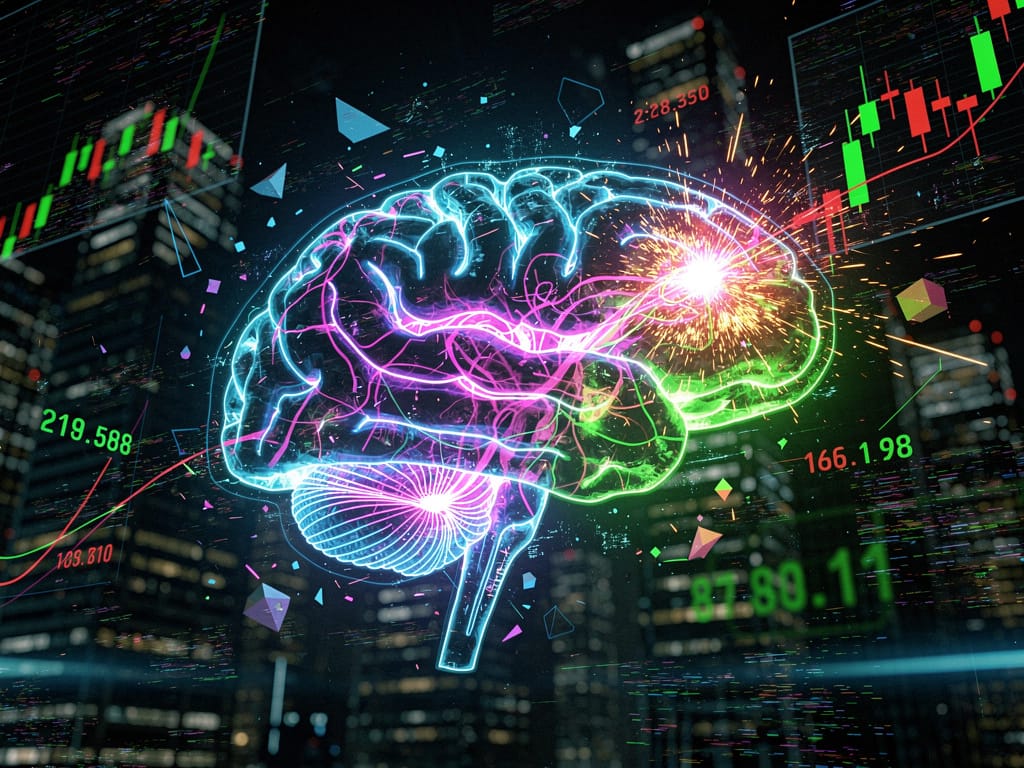
This isn't just history; it's a blueprint for human behavior. Financial bubbles aren't born from spreadsheets and technical analysis. They are forged in the very wiring of our brains, a perfect storm of cognitive biases that turn rational investors into a stampeding herd. When you see an asset-whether it's a 17th-century flower, a 1990s tech stock, or a modern digital token-climbing to absurd heights, you're witnessing psychology overpower economics.
The Cognitive Cocktail of Euphoria
Understanding a bubble means understanding the mental shortcuts and emotional triggers that drive it. Our brains are pattern-matching machines, but sometimes, the patterns we see are mirages. The key ingredients are surprisingly consistent across centuries:
- Herd Mentality: The deep-seated instinct to follow the crowd. When everyone around you is getting rich, the fear of being left behind-FOMO-becomes a powerful, almost physical force. Safety in numbers feels right, even when the numbers are running toward a cliff.
- Confirmation Bias: We actively seek out information that confirms our existing beliefs. If you've invested in a soaring asset, you'll notice every positive news story and dismiss every warning sign as irrelevant noise.
- The Greater Fool Theory: The belief that you can buy an overvalued asset because there will always be a 'greater fool' willing to buy it from you at an even higher price. This works perfectly, until suddenly, there are no fools left.
- Overconfidence: A string of early successes creates a sense of invincibility. We start to believe we're not just lucky; we're smarter than the market.
The Dot-Com Echo
Fast forward to the late 1990s. The smoke-filled taverns of Amsterdam were replaced by the humming server rooms of Silicon Valley. The story, however, was the same. Companies with no profits and often no viable business plan saw their stock valuations explode. The narrative was compelling: the internet was changing the world, and traditional valuation metrics were obsolete. Investors, caught in the updraft, poured money into anything with a '.com' in its name. They weren't buying earnings; they were buying a piece of the future. The herd was running again, convinced that this time, it was different. When the bubble popped in 2000, it wiped out trillions of dollars in wealth, proving that the fundamental laws of finance-and human psychology-hadn't changed at all.
The Dopamine of the Deal
What makes these moments so potent? It's chemistry. Every time an investment pays off, our brain releases a hit of dopamine, the neurotransmitter associated with pleasure and reward. In a raging bull market, investors are getting these hits constantly. This creates a feedback loop that feels a lot like addiction. The rational, analytical parts of our brain are quieted by the chemical rush of quick gains. We stop thinking about risk and start chasing the next high. This neurological response is why it's so difficult to step away from a bubble, even when you intellectually recognize the danger. Your brain is literally telling you to keep going.
Recognizing the signs of a bubble is one thing; resisting its pull is another. The pressure is immense, and the stories of overnight millionaires are deafening. The key is not to have superhuman predictive powers but to have an unshakable discipline. A strategy grounded in fundamental value, diversification, and a long-term perspective is the only reliable anchor in a sea of irrational exuberance. It requires you to ignore the crowd, to be comfortable with missing out on the frenzy, and to trust your plan over the mania of the moment. It's about knowing that true wealth isn't built in a fever dream; it's built slowly, deliberately, and with a clear understanding of the difference between price and value. The echoes of history remind us that while the assets change, the human brain on bubbles remains dangerously, predictably the same.
Don't miss the next topic.
Be the first to read our latest posts!