
The Strange New Marketplace for Naming Everything from New Species to Distant Stars

$650,000.
That’s the number. Not the price of a supercar or a down payment on a mansion in the hills. That was the winning bid for the right to name a new species of monkey. A small, furry titi monkey discovered deep in Bolivia’s Madidi National Park. The winner, an online casino, named it the GoldenPalace.com monkey. That money didn’t go to a scientist’s pocket... it went directly to protecting the 1.8 million acres of parkland where the monkey lives.
You probably thought new species were named by serious-looking biologists in lab coats, poring over Latin texts. For centuries, that was true. The person who discovered and described a species got the honor. But science, and especially conservation, is perpetually starved for cash. So a new, strange marketplace has emerged, one where the prize isn't a stock or a bond, but a tiny slice of immortality etched into the official record of life on Earth.
This is the new frontier of fundraising. It transforms a biological classification into a financial asset. The logic is simple and powerful: connect a donor directly to the thing they are saving. It’s far more tangible than just writing a check to a faceless organization. You’re not just a donor; you’re a part of scientific history. And it’s not just for monkeys. Everything from a newly found fish to a rare orchid is on the auction block.
How to Buy a Piece of Scientific History
So, how does this actually work? You can’t just find a weird bug in your backyard and sell its naming rights on eBay. The process is a fascinating blend of high-finance, strict scientific protocol, and conservationist grit. It's a formal procedure that ensures the integrity of science while creating a vital stream of revenue.
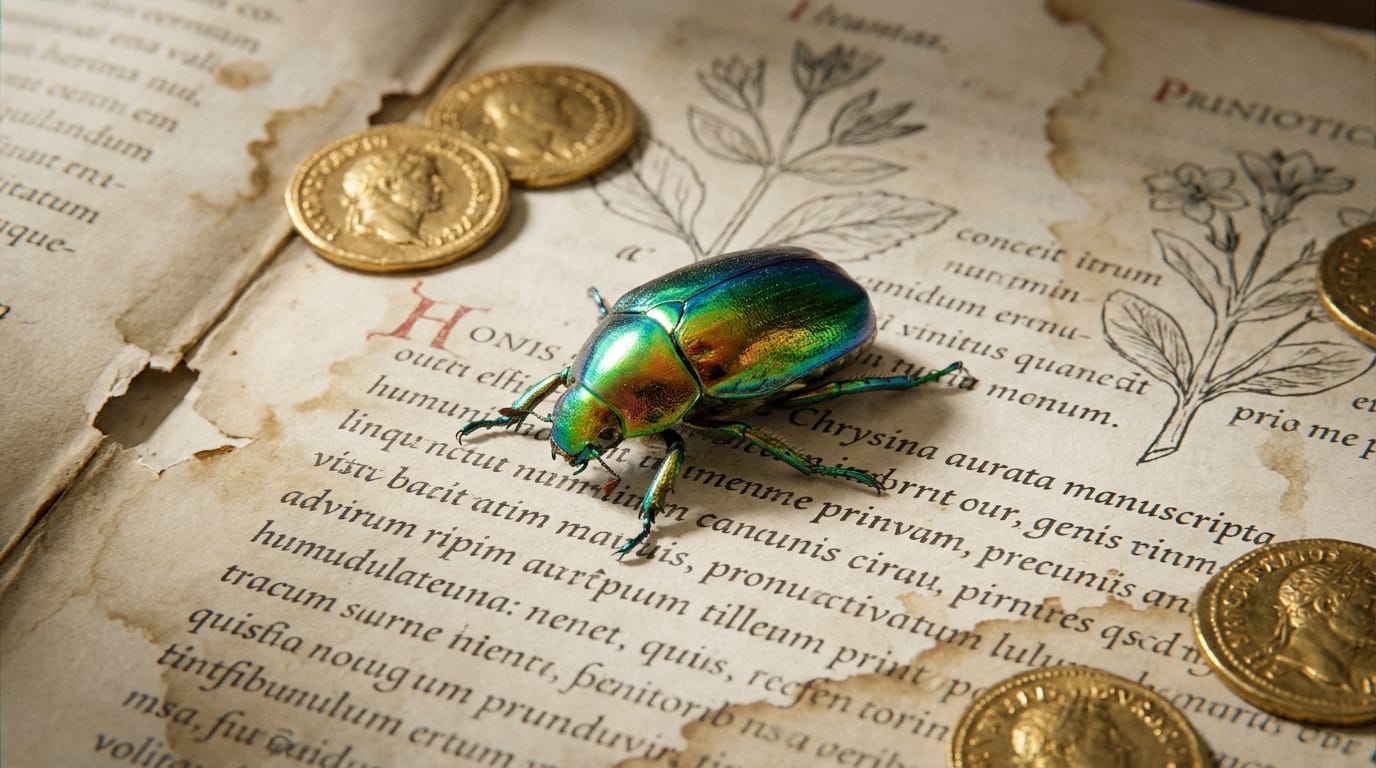
This isn't a simple transaction; it's an investment in discovery itself. The funds generated are the lifeblood for research that would otherwise never happen. For scientists, it's a pragmatic solution to a constant problem. For a donor, it's a legacy that will outlive any building or plaque.
- Find the Auction: You have to find an institution or non-profit that is actively auctioning naming rights. Organizations like the Wildlife Conservation Society or BIOPAT in Germany facilitate these, as do individual museums and universities that have made a recent discovery. These aren't widely advertised, so you have to be in the know.
- Prepare for the Bid: This is not a novelty gift purchase. Naming rights for a significant species, like a primate, can run into six figures. A new species of lichen was named after Leonardo DiCaprio for a $25,000 donation. You are competing with philanthropists and corporations who want the publicity and the prestige.
- Follow the Rules of Nomenclature: Your money buys you the right to propose a name, but it still must adhere to the strict rules of the International Commission on Zoological Nomenclature (ICZN). The name must be unique, Latinized, and can't be offensive. You can name it after yourself (Yourname-i), a loved one, or even a fictional character, as long as it fits the format.
- Wait for Publication: The name isn’t official until the scientific paper formally describing the species is published in a peer-reviewed journal. This is the final step that cements your chosen name into the scientific lexicon, forever.
What Else Is for Sale?
The marketplace for names extends far beyond the animal kingdom. While the official scientific bodies don't sell names directly, a whole ecosystem has sprung up to monetize the cosmos and more. Here’s a look at what else you can christen, with varying levels of official recognition.

- Stars and Exoplanets: Let's be clear: the International Astronomical Union (IAU) is the only body that can officially name celestial objects. They do not sell them. However, dozens of companies sell 'novelty' star names, which get listed in their own private registry. It's a great gift, but your 'Starry McStarface' won't be appearing on any official NASA charts.
- University Buildings and Professorships: This is the classic form of naming rights. For a hefty donation, you can get your family's name on a library, a science wing, or an endowed chair for a professor. It's a well-established pillar of academic fundraising.
- Minor Planets: The IAU does allow the discoverers of minor planets (asteroids) to suggest names. Sometimes, this honor has been given to donors or auctioned for charity, offering a path to a more official cosmic legacy than simply 'buying a star'.
- Gene Names: You can't buy these, but the scientific community has a wild history of naming genes. The gene that can cause flies to develop legs on their head is called Antennapedia. A crucial developmental gene was named Sonic hedgehog. It's a glimpse into the personality behind the research.
This entire economy is built on a fundamental human desire: to leave a mark. To have your name mean something long after you’re gone. Instead of carving it into a tree, you can now have it printed in the DNA code of scientific journals. The $650,000 monkey is a perfect symbol of this new reality. The casino got a decade of PR, and a fragile ecosystem got the resources to defend itself.
So the next time you hear a strange name for a newly discovered animal, don't just assume it was a scientist's quirky choice. That name might not have come from a textbook, but from a checkbook that helped ensure the species would survive long enough to need one.